


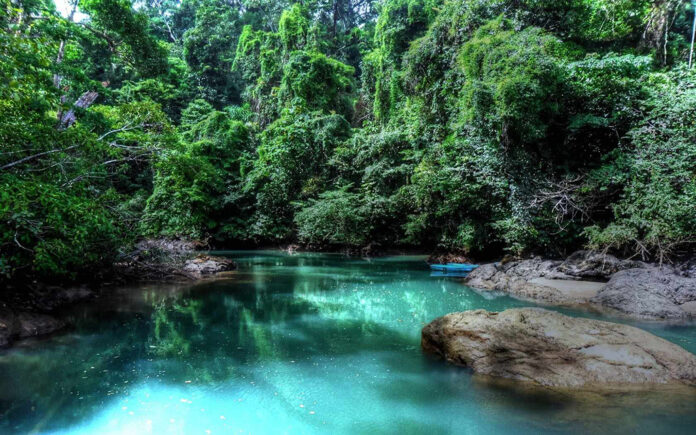
It’s no surprise that Costa Rica is quickly beginning to win the hearts of many Americans. Why? This Central-American, eco-conscious country has beautiful beaches, unmatched rainforests, volcanoes and is a diver’s paradise. Not many places can offer all this, and do it well.
The country is divided into seven regions:
 Cartago is an art-lover’s paradise. If you want to re-live tradition, this is the place for you. But Irazú volcano remains the most popular place to visit as it is a live volcano with lots of craters. Despite having the country’s highest altitude, its summit can be reached easily by car. Once atop, the main crater provides stunning views of the turquoise lagoon below.Alajuela, which is fondly known as the land of the mangoes, is home to the Arenal Volcano, Tabacón Hot Springs and the Poás volcano. Arenal is among the 10 most active volcanoes in the world as it regularly rumbles, smokes and erupts lava. Don’t worry though, the last major eruption was in 1968. While here, it’s worth visiting nearby Sarchí, home to the world’s biggest ox cart and yoke.
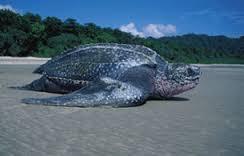 Guanacaste is known for its spectacular beaches. It is the driest part of the country. Panamá Beach, in the north area of the province, is one of the best options as the surf is calm and the beaches are white. Neighboring Coco Beach is more popular because of its night life. The other most-visited beaches are: Tamarindo, which offers a taste of nature (mangroves and iguanas) and the beach; Flamingo, which has posh hotels in a more serene atmosphere; Ocotal and Hermosa beaches, along the coast, and Grande, which is in the southern part of the region. The region has also gained acclaim for being home to Las Baulas National Park, which boasts thousands of leatherback turtles.
Heredia is known for its many natural wonders. Among the most visited is Barva volcano, in Braulio Carrillo National Park. The park offers acres upon acres of tropical rainforest, which is home to scores of unique birds, plants and animals.
 Limon is a natural paradise and home to Tortuguero National Park, which means full of turtles. But you won’t just find turtles here, there’s also monkeys, sloths, rare birds (most notably quetzal and scarlet macaw), spiders and the little-known green turtle, too. The park is not solely known for nature as this area displays the country’s largest Afro-Caribbean culture as its residents cling to their Jamaican roots.
It’s also worth taking a day-trip to La Amistad International Park, which is co-owned with Panama, and is the country’s largest rainforest. It is home to many species that are near extinction including the jaguar.
Puntarenas, also known as the “Pearl of the Pacific,” is the largest province of Costa Rica. The Port of Caldera is where cruise ships embark. A stop in this province isn’t complete without a visit to Manuel Antonio National Park, home to the spider monkey, and nearby Corcovado National Park, where gold frogs and crocodiles co-exist. A side trip to Cocos Island is a must if you’re an avid diver and interested in re-tracing the steps of Jacques Cousteau. This is one place where marine life such as Hammerhead sharks, dolphins and stingrays peacefully co-exist.
 San José, the country’s capital, is the most cosmopolitan area and is located in the country’s interior and for the most part offers temperatures throughout the year around 80 degrees. Most every region is accessible from here.
While in Cost Rica, you must try a canopy tour, white water rafting, bird-watching (in hopes of spotting a Scarlet Macaw), volcano climbing, snorkeling, kayaking, windsurfing and hot air ballooning. Need I say more?