Everything You Want Or Need To Know About Traveling The San Blas Islands
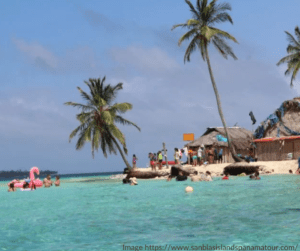
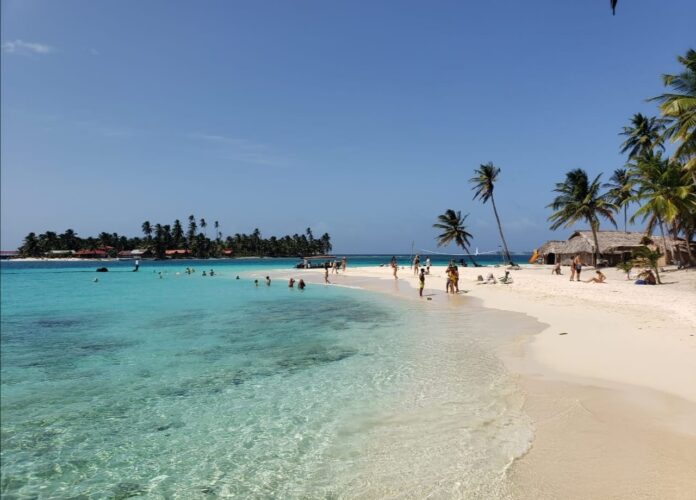
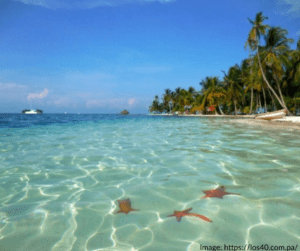
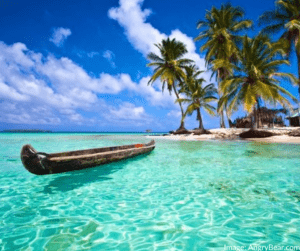
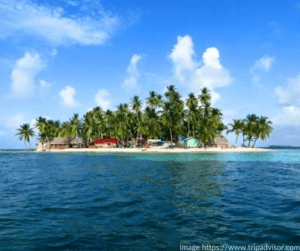
What comes to mind when you think of the term “island paradise?” Close your eyes for a moment and picture it. The crystal clear, impossibly blue water, sparkling like diamonds under the bright, warm sunshine. Puffy white clouds drifting lazily in an equally impossible blue sky. One sandy island after another, of various shapes and sizes, each providing a spot of dry land and a little shade thanks to a sprout or two of palm tree, jaunty tropical foliage swaying in the gentle breeze. Starfish dotting the shore, and hundreds of tropical fish swimming about in a graceful, colorful display.
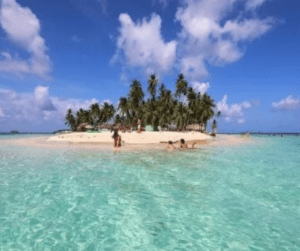
Right now it may seem far-fetched, or like a daydream to you, but this place does actually exist… and you can go there! But Panama’s San Blas Islands aren’t just a pretty face, this archipelago of 365 islands has a rich history and a meaningful story to tell.
About The San Blas Archipelago
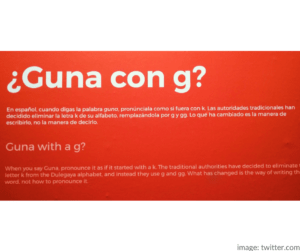
Officially, the name of the San Blas Islands is Guna Yala, or Kuna Yala. This has been true since 2011, though the native indigenous people, known as the Guna, or Kuna, have called this archipelago home for a century now.
The reason for the interchangeable “G” and “K” comes down to a language barrier of sorts. Prior to 2010, the commonly-accepted pronunciation was with a “G” or a “K”, because it’s spelled with a “G” but pronounced with a “K” sound. But the spelling the Congreso General de la Nación Gunadule has officially used since 2010 is with a “G”. So it’s the Guna people, and their home is Guna Yala, which translates to “Guna’s Land”. But say you the ”G” like it’s a “K”. Got all that?
Obviously, they are close enough that either pronunciation will get you to where you want to go. And though it is officially named Guna Yala, prior to 2011, it was known for ages as San Blas. This was a name bestowed by the Panamanian government because of the archipelago’s proximity to the Gulf of San Blas, and it’s still widely used today.
The San Blas archipelago, located an hour’s boat ride off the northern coast of Panama, consists of 365 cays and islands… one for each day of the year, how perfect is that? But as of this writing, less than 50 islands are inhabited. And though many are already so tiny that they have little more than a shack and those picture-perfect palms we see when we close our eyes, some are predicting that climate change and rising sea levels will cause the entire archipelago to disappear by the late 21st century.
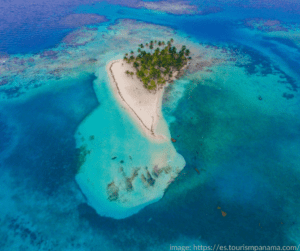
That would be a sad state of affairs for a variety of reasons, the loss of these tiny paradises and the ecological diversity they offer being two big ones. The biggest of all, though? The Guna people, a sovereign indigenous people who not only call this archipelago home but share it with visitors in their own self-governed tourism network, would be forced to relocate to the mainland.
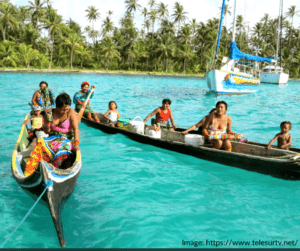
The San Blas Islands are technically part of Panama. But in reality, this is an autonomous Indigenous province, run by the Guna people. It’s one of 6 “comarcas Indígenas” in Panama.
What is a “Comarca”?
A comarca is, quite literally, a co-branding of the land. “Marca” translates to brand or mark, and “co” is used here in the same way an English speaker would: it describes something as shared. This is an administrative division wherein both the government and the indigenous people are recognized, with the understanding that the people on that land are sovereign, self-governing.
It’s a fairly common arrangement in the US as well, where certain areas are reserved for the native people. Typically in the US they are referred to as “reservations”, and by law, the land is owned and governed by the native people and their own laws.
The other 5 comarcas in Panama are:
● Emberá-Wounaan (est. 1983)
● Guna Madungandi (est. 1996)
● Ngäbe-Buglé (est. 1997)
● Guna Wargandí (est. 2000)
● Naso Tjër Di Comarca (est. 200)
San Blas Islands Map
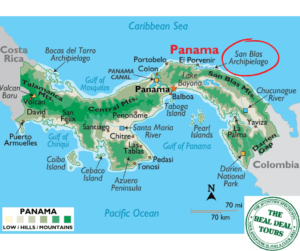
The Guna Yala Region is not just the 365 islands that make up the San Blas archipelago. As well, it includes a stunning 230-mile stretch of virgin rainforest along the east coast of Caribbean Panama.
Guna Yala lies on the Caribbean shore, east of the Panama Canal, and is a well-known area for world-class sailing. However, if the islands disappear as predicted due to rising sea levels, it will take the wind out of a lot of sails. San Blas will quickly become a difficult area to navigate in a sailboat due to all the underwater speed bumps.
Are all the Islands Inhabited?
Of the 365 islands, only 49 are inhabited by the Guna people. The 2010 census indicates 31,500 inhabitants of Guna Yala.
There are no large tourist attractions or resorts on any of the San Blas islands, but there are Guna communities scattered about. A large percentage of the islands are simply uninhabited, while others are closed to tourists.
Back to the sovereignty of the Guna people and the governance of their own land, tourism in San Blas is wholly operated by them, so they call the shots. Everything is at their discretion, and this has helped them maintain control of the natural beauty of Guna Yala, the traditions of the Guna people, and a lot more. For tours in the San Blas islands, this means that travelers may not freely explore the islands. Everywhere you go, you’ll be accompanied by a guide, one of the Guna people.
What is the weather like in San Blas?
How to describe the weather in Panama’s San Blas islands? For those in the know, it’s about as close to perfect as you can get in this year-round destination. Temperatures maintain a balmy average throughout the year (27°C/82°F), and hurricanes are not an issue like in other tropical destinations.
The summer season is from December/January to April/May, and during this time you can expect dry, windy conditions.
The winter season runs from May/June to November/December, bringing with it calmer and rainier days.
With that said, there is plenty of variation in weather throughout the year so rain does happen in the summertime and the dryness and heat can move in during the winter months too.
When’s the best time to visit San Blas?
Weather-wise, it’s always a good time to visit San Blas. So, the best time for you and for the trip you want to take should come down to the things you want to do and see in San Blas, your tours and planned activities.
For example, the month of November is marked by Fiestas Patrias (National Holidays)… a month of holidays featuring celebration after celebration, parade after parade, commemorating and showcasing Panamanian pride in their roots and traditions. Colorful costumes, traditional dancing, marching drums, military revelry, it’s nonstop action for the entire month. All those holidays are banking holidays, by the way, so November is a time when everyone must plan ahead and pack some patience along with them. Depending on whether you want to be a part of the festivities (or not), November is a great time (or not) to holiday in San Blas.

If sailing is something you will be doing, it may be best to come during the dry season so there’s plenty of wind to sail around. But all that wind can muddy the waters a bit. So if snorkeling is an important thing too, you may want to go closer to the shoulder season, end of summer/beginning of winter, or end of winter/beginning of summer.
Or just come when other factors like Fiestas Patrias dictate, and take your chances. Really, even if it does rain during the dry season, it’s often just a quick shower… nothing to write home about. And it bears repeating: this region doesn’t get hurricanes, which offers year-round peace of mind no matter what else you get up to.
The Indigenous People Of Guna Yala
Panama’s six indigenous groups are still present and visible today, which isn’t true for other Central and Latin American countries. Officially established in 1938, the Guna people were the first indigenous group in Latin America to gain autonomy. A triumph, not just for the Guna but for all the other marginalized indigenous people in Panama and beyond.
The Guna, as with Panama’s other indigenous communities, have put community-based tourism into action on their own terms. They welcome tourists (with restrictions) into their villages, sharing their traditions as well as selling foods like fresh-caught local fish and coconuts, and arts and crafts made by locals.
The Guna Yala Regional Economy
For the Guna people, the economy mainly runs on tourism, handicraft production, agriculture, and seafood.
Though most of the agriculture in the region is for local consumption, bananas, corn, sugar cane, and coconuts are all produced as a means of income. Fish are caught by hand, with a line, and you’ll also find plentiful octopus, squid, crab, and lobster for sale.
Guna Yala Molas
Molas are traditional hand-made panels, crafts, and clothing made by Guna women. It’s a process involving multiple layers of fabric which are sewn together, one on top of another. Then with elaborate cutouts, the different colors are revealed and an image is created. Traditionally these images depicted the same shapes they would paint on their bodies, but over time the designs have expanded to include animals, abstract concepts, and more.
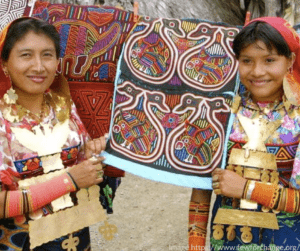
Where agriculture and seafood harvest tend to be left up to the men, the creation of molas is the main money-generating activity for the Guna women. In fact, for many families, skillfully sown molas provide their main source of income. Sometimes when we buy souvenirs, they don’t really support the local economy. But every mola that is purchased is a true piece of Panamanian culture and one that you can be sure will directly benefit the people. Why? Because no one else but the Guna can legally make and sell molas. If you’re buying it in Guna Yala, it’s helping someone.
How The Guna People Came To Be
The indigenous Guna tribe has a long history predating the existence of Panama and Central America.
When the Spanish conquistadors arrived in Central America in the 1500s, they drove all the indigenous tribes of Panama out. The Guna people scattered to what is now Guna Yala, the San Blas islands, where life was easier than they had found it in the jungle.
Though they thrived in their new coastal island home, conflicts and difficulties were constant, including doing battle with the government in 1925 over their independence. Their mission was successful, but they did ultimately agree to be a part of Panama. The caveat? They had to remain a sovereign nation, which they did.
As per the 2010 census, there were about 31,000 Guna people living in the San Blas archipelago, though the entire Guna population is estimated at around 300,000. The Guna leaders all occupy one island called Acuadup. This is where many of the important issues are discussed, and decisions are made for the community.
Dulegaya: The Official Language of The Guna Yala
In the native tongue of the Guna people, known as Dulegaya, they call themselves “dule” or “tule”, which means “people”. The literal translation of the name of their language is “people mouth”.
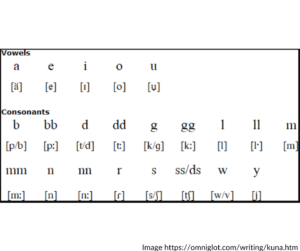
Dulegaya belongs to the Chibchan family of languages and is only spoken by the indigenous Guna people of Panama and Columbia.
Planning a Trip to San Blas
As you may have already inferred from the previous bit about being unable to freely roam about the islands, tourism is strictly regulated by the Guna people. This actually makes it incredibly easy to plan a trip to San Blas… you literally just book a tour and everything is included: transportation, activities, and meals are all part of the package, arranged by your hosts.
But be aware: if you have a tough time with others calling the shots, it may be difficult. Of course, when booking a tour you have different price point options, lengths of stay, and other ways to ensure you get what you want out of the experience. If you have dietary restrictions, for example, they’ll accommodate you, but the less restrictive you can be in all aspects, the more the trip will flow.
What’s it like to visit the San Blas Islands?
There are three great ways to experience San Blas/Guna Yala: a quick day trip, an overnight stay for one or more nights, or chartering a sailboat and sailing through the islands. Each is a totally unique experience relative to the others.
Day Trip to San Blas:
It’s a 2.5-hour drive from Panama City and a 30-minute water taxi ride to all the snorkeling, swimming, and relaxing on the beach that you can stand! A 5 am departure from Panama City may seem extremely early, but it means you’re on the beach by about 9:30 am, which is about as perfect as it gets. Lunch is included, and a side trip to one of the other islands, before heading back late in the afternoon. Expect to be back in Panama City around dinner time. Check it out here.
Overnight Stay in San Blas:
You’ll arrive in the morning and get settled, then the action begins! You’ll have the opportunity to visit another island and do a little swimming and snorkeling before lunch is served. After lunch, you can relax a bit before heading back out for more swimming and snorkeling. Once your second trip of the day is complete, it’s time for dinner, followed by an exquisite sunset, and the most peaceful sleep you’ve had in years, thanks to a soundtrack of gentle waves. This will be your daily routine for however many days you book. Learn more about an overnight stay in San Blas here.
And remember: tourism in the San Blas Islands is strictly managed by the Guna people. The rules they have in place help to protect their way of life, and the land they call home. So the experience provided is largely the same, no matter who you book through. This is also true whether you book a 3-day tour, for example, or a 3-day accommodation. Activities are all optional, of course, but substitutions and deviations are not generally supported. Snorkel, relax, eat, rinse, repeat, is basically the mantra.
Sailing in San Blas:
From the moment you leave port in Panama City, it’s a rarified experience that few people get to enjoy. Spend your days cruising through the islands, and the jewel-blue Caribbean sea, docking at various islands to enjoy water sports and activities like beach volleyball, kayaking, snorkeling, hiking, and exploring, and even a demonstration of traditional Guna dancing. Your guide will be there throughout the experience of course. You’ll enjoy the freshest food and sleep on deck under the stars, on the beach, or in a hammock. You’ve never “roughed it” like this!
Top 10 Things To Do In San Blas
The list of things to do in San Blas is relatively short:
★ Swim
★ Snorkel
★ Relax
★ Eat
★ Chill out
★ Buy all the molas
★ Take a load off
★ Swoon over the sunset
★ Decompress
★ Sleep like the dead
Of course, the entire region is drop-dead gorgeous. And there are loads of Instagram-worthy vistas everywhere, but what you see and where you go isn’t up to you. People love Dog Island, for example. And you may happen to go there. But visitors don’t get a choice of where their guide takes them, it’s all up to their Guna hosts. This goes back to that “going with the flow” business. If you can let go of the need to control the itinerary, you’ll likely have a fantastic time no matter what you see and do.
A word to the wise: sailing sounds like it would be a great thing to do in San Blas, but you might have noticed it’s not on that comprehensive Top 10 List above. That’s because it’s not the kind of thing you can just do… it’s not an activity on its own. Remember: book a tour or book accommodation, it’s the same thing. This is true for sailboats and catamarans too. They are tours as well as accommodations.
Getting To The San Blas Islands From Panama City
Though the place itself is quite remote, getting to San Blas is not as difficult or daunting as it may seem. Driving to the port is easy, and the boat ride pleasant. Often, transportation is included in the price of your San Blas experience so you may not have to worry about the specifics of getting there at all.
Panama City is the gateway through which most people come to San Blas, so there are loads of people who know how to get you there, and options to facilitate the trip. For many travelers, in fact, San Blas is the destination. They fly into Panama City and head straight out to the islands.
Though San Blas/Guna Yala is its own autonomous province, it’s not difficult to gain entry and you don’t need a visa or anything. Visitors must show their passports and pay a $20 fee. But this is something just to be aware of. It’s likely that your hosts will handle it all, you’ll just provide the money and the passport.
Remember: tours and accommodations are one and the same. You may not get much choice in what you do, but you really don’t have to do much planning. And all the support you need is right there. It’s OK to sit back and relax. Make the reservation and you’ll be in good hands.

Flying To San Blas
There are several flight options from Panama City to San Blas through Air Panama, and prices vary between $50-$150. Not bad for a flight straight to paradise!
According to Air Panama’s website you can fly from Panama to:
★ Achutupo (ACU)
★ Corazón de Jesús (CZJ)
★ El Porvenir (PVE)
★ Malatupo (MPP)
★ Playón Chico (PYC)
★ Puerto Obaldía (PUE)
These are all airstrips in Guna Yala, you’d just choose the one that makes the most sense for your itinerary.
If you prefer to fly, just make that known to your host and they’ll help work out the details. Chartering a plane to San Blas is also an option. Check out Aero Albrook for itineraries, plane options, and pricing.
How long do you need in San Blas?
For most people, 2-3 days in San Blas is enough. But honestly, it depends on who you are and where your head is at. If you really need to unplug, 3+ days may do you a world of good. Be aware however that this experience is simple… no wifi, restaurants, or shopping… so it’s a lot of “you” time. Plenty of opportunity to sit, stare at the sea, and daydream about life. If you’re someone who finds it hard to take a chill pill, the first day may be a huge adjustment. But that’s actually why you need this experience!
There is an old saying about meditation that goes:
“You should sit in meditation for 20 minutes a day. Unless you’re too busy, then you should sit for an hour.”
How long should you spend in San Blas? That depends… how busy are you?
San Blas Resorts, Hotels and Accommodations
With respect to the big-name hotels and resorts, you won’t find any in the San Blas archipelago. But honestly, that’s not the way it should be experienced anyway. In fact, San Blas is so pristine, and simple, that even one resort of any size would ruin the vibe of the whole place.
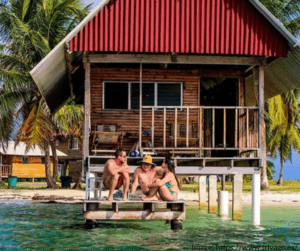
Plus, as you know, the Guna people run the tourism show. And if they seem like folks who wouldn’t be too keen on partnering up with corporate America, you’d be right about that.
Let the locals take care of you… let them show you, with pride, the place they call home. Drink rum from a coconut. Eat perfectly grilled fresh fish, plucked right from the sea (probably by your host). Feel the heat of the bonfire. Hear the stories of your hosts. Sleep in a hammock.
Check out booking.com for plenty of San Blas accommodations options provided by locals.
FAQ/Insider Tips for Visiting San Blas
What should I pack for San Blas?
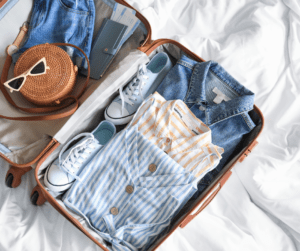
No matter what time of year you are visiting, here are a few essentials to pack for your trip to San Blas:
★ Light layers
★ Sandals or flip flops
★ Swimsuit(s)
★ Quick-dry towel
★ Environmentally-friendly SPF
★ Bug repellent
★ Hat
★ Sunglasses
★ Dry bag for electronics
It’s likely that you’ll have to pack a smaller bag for your jaunt to San Blas since the boat (or plane) will have weight restrictions. If that’s the case, you can leave the rest of your luggage behind at your hotel in Panama City, or there are lockers at the port as well if that serves your itinerary better. This is a common request of hotels in Panama City, so even if you aren’t staying there, one of a number of hotels may be able to accommodate your luggage during your time in San Blas.
Will I need to bring my passport?
Speaking of things to pack, it is very important to remember to bring your passport to San Blas! In some ways, it is like going to another country, since you are leaving one government’s land and entering another. The Kuna checkpoint is where passports are verified and if you don’t have yours, you’ll be turned back there.
For certain tours, copies of your passport are required. As a general rule, take 3-5 copies just to be safe.
Is there Wifi?
Wifi, as you probably know it, doesn’t really exist in the San Blas Islands. Most people use Digicel cellular data, which is passable for most people’s vacation web surfing needs. If you want to try working while on holiday in San Blas (why?) using your phone as a hotspot is unlikely to be sufficient for you. Best to bring some books, and any other analog activities you enjoy, and use your time in San Blas as an opportunity to relax and chill.
Are there ATMs in San Blas?
There are no ATMs in San Blas, so it’s important to bring all the cash you’ll need with you. There won’t be many things to spend your money on, but $100-$150 should be more than enough to cover a mola or two, the $22 entrance fee, other souvenirs that catch your eye, and a few coco locos.
Does San Blas have modern conveniences?
In many regards, San Blas is the epitome of “roughing it”. Even water and toilet paper are not necessarily a given. Particularly if you’ll be doing a day trip, it’s a common request that you pack your water in with you. Toilet paper too. Though, especially as San Blas becomes more popular, many travelers are finding that facilities are well-stocked and they don’t need the TP they brought. But not always. Take the advice of your hosts, whatever that is, and you’ll be fine.
You may not even have electricity or hot water consistently, which means no AC either, and a flushing toilet isn’t always part of the package. If you require these things, you can find them, you’ll just want to really do your homework.
Are there lots of bugs in San Blas?
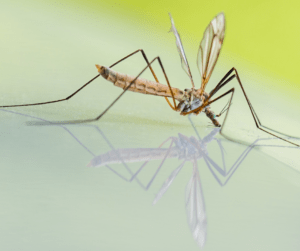
Yes. How “buggy”, exactly, varies throughout the year, of course. But expect that you will need bug spray and plan accordingly! Don’t skimp on the bug spray!
Do I need to speak Dulegaya to visit San Blas?
It’s not necessary to speak the local language of the Guna people, Dulegaya, but knowing a few key phrases in Spanish is a great sign of respect and will help you break the ice. Using an offline translator is always a good idea.
Do NOT touch the starfish!
One of the neatest things about San Blas is just how crystal clear the water is and how bright the colors are. The orange starfish against the white sand in the clear blue water is like a beacon for holidaymakers. You just want to hold it up and take a selfie with it. But don’t touch them. Touching the starfish may kill them, even if you are the gentlest person on Earth.
San Blas: A Perfect Paradise For The Properly Prepared
It’s hard not to fall in love with San Blas, with the perfection found in its simplicity. The most important thing is to do your homework and know what you’re getting into. This is one of those Bucket-List-worthy destinations that you’ll want to do right, so you can experience it the way it’s meant to be experienced: simply.
San Blas doesn’t lie; what you see is what you get. And it’s all right there in front of you, waiting to be experienced, internalized, and appreciated.
Many people find that once they visit San Blas, they have to come back. To be sure, this gift from Mother Nature is one we’ll want to treasure for as long as we can. With predictions that the islands may be the first in the world to disappear due to the effects of climate change, it’s all too real the effect that we humans, and the industries we support, has on the planet.
A trip to San Blas can remind us of the effect we have on everything we touch, the importance of slowing down, and truly appreciating the people and things we encounter in daily life.