


Panama National Parks
The Top Ten National Parks in Panama As Ranked By Trip Advisor
Did you know that there are approximately 1500 different species of wildlife in Panama? Plus, Panama is also home to archaeological ruins, former penal colonies, WWII bombing sites, untouched diving spots and stunning mountain peaks. The first of National Parks in Panama was established in the 1960’s. Not surprisingly, nearly 30% of the country is protected through Panama National Parks and wildlife reserves. Thankfully, we’ll be able to continue to enjoy and admire all the beauty Panama has to offer. The protection of its abundant wildlife, and important historical landmarks is very important to Panama.
Here is a brief breakdown of the Top Ten Panama National Parks as currently ranked on Trip Advisor
1. Coiba Island National Park
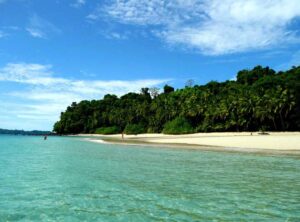
Declared as a World Heritage Site in 2004 by UNESCO, Central America’s largest Island – Isla Coiba, is one of the most iconic Panama National Parks for a number of reasons. Not only is Coiba home to an abundance of flora and fauna unique to the region, but it is also home to one of the largest coral reefs found on the Pacific Coast. Furthermore, over 500 years ago the island was a pirate refuge. Pre-Columbian artifacts are also still being discovered throughout the island today.
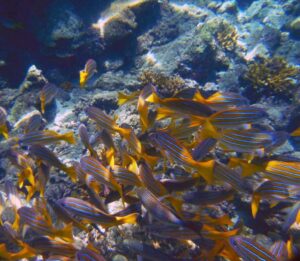
If you want to visit Coiba National Park, we recommend you embark on our cross country journey that takes you to Santa Catalina. Santa Catalina is the nearest launch point for boats heading to the Coiba Islands for snorkeling and scuba diving trips and is nearly 6 hours’ drive from Panama City.
2. Barú Volcano National Park
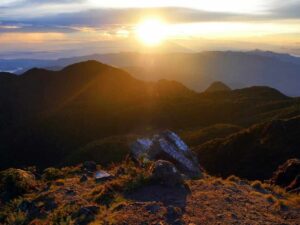
The Barú Volcano is Panama’s highest point, making it a unique spot in the world because it’s the only place where you can see the Pacific Ocean and the Caribbean Sea at the same time. Located just 35km off the Costa Rican border, Volcan Barú is a dormant volcano that stands at 11,398ft. The ascent takes approximately 6-8 hours, making the hike a powerful challenging experience for both avid and inexperienced hikers. Camping is also available near the summit.
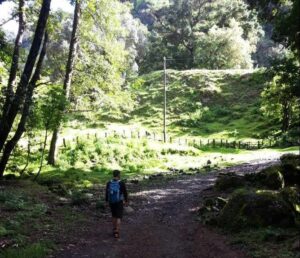
If you wish to visit Volcan Baru National Park, we offer both hiking and jeep tours to the summit departing Boquete.
3. Soberania National Park
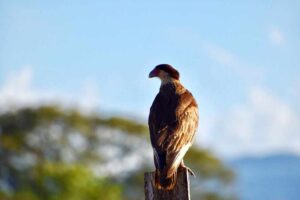
Stretching over 48,287 acres of rainforest and just a short 15 miles north of the country’s capital this stunning park is abundant with wildlife. Soberania Park is recognized as one of the world’s best bird watching spots. Discover fantastic hiking trails where you’re sure to see all kinds of birds, and most likely catch sight of a few monkeys, perhaps a sloth, and even the occasional reptile. The park is home to a famous trail called Camino de Cruces that was constructed by the Spanish in the 16th Century, and the ruins of an old village can be found from the era when the trail was used to transport merchandise and gold between the two oceans.
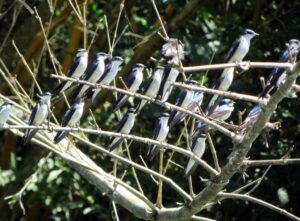
Soberania National Park is featured on several of our nature and eco tours offered from Panama City, Panama. For the more adventurous, we recommend mountain biking the Camino de Cruces.
4. Metropolitan National Park
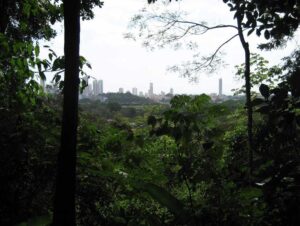
Yes, there is even a National Park in Panama City. A few minutes from the downtown area, the Parque Natural Metropolitano is home to 284 kinds of trees, over 250 species of birds, 45 species of mammals and 50 species of reptiles and amphibians. Extending over 3 miles (5 km), a wander through this park is the perfect opportunity to spot wildlife and if you’re lucky, you may even catch a glimpse of a two-toed or three-toed sloth. Choose from 5 trails varying from short and flat walks to more strenuous hikes to stunning lookouts that offer exquisite views of the city and the bay.
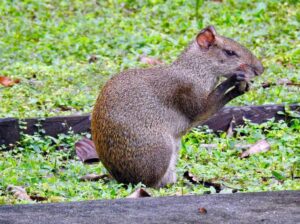
One of our favorite things to do in Metro National Park is bird watching. The diversity is incredible and so close to the city!!
5. Altos de Campana National Park
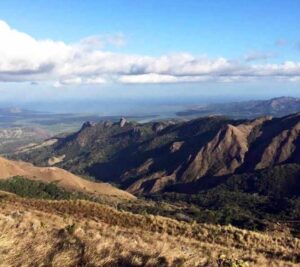
Established in 1966, Altos de Campana is the oldest of Panama National Parks. Extending over 4,817 acres with only one developed trail, Sendero La Cruz, this park is a short drive from Panama City. The park’s 2,789ft peak offers breathtaking views of the Pacific, Punta Chame and if the weather allows, Isla Taboga and a stunning view of the valley below. The park is home to tons of birds and amphibians including the endangered golden frog.
6. Isla Bastimentos National Marine Park
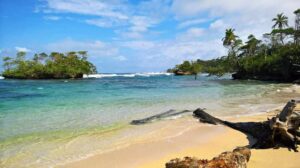
Located in the archipelago of Bocas Del Toro Province, Isla Bastimentos National Park stretches from Playa Larga to the Cayos Zapatillas, and over to Coral Cay. The park is home to abundant plant and marine and terrestrial wildlife species. Playa Larga is an important nesting site for endangered sea turtles that come to lay their eggs through the months of April through September. The park also preserves forests and habitats that are home to monkeys, sloths, caiman, crocodiles and more.
If you want the chance to visit Isla Bastimentos, many of our boat tours in Bocas Del Toro visit there, however our favorite for time on the island is the Deep Boarding tour.
7. Portobelo National Park
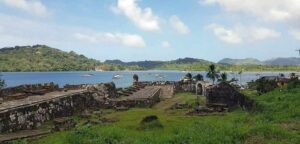
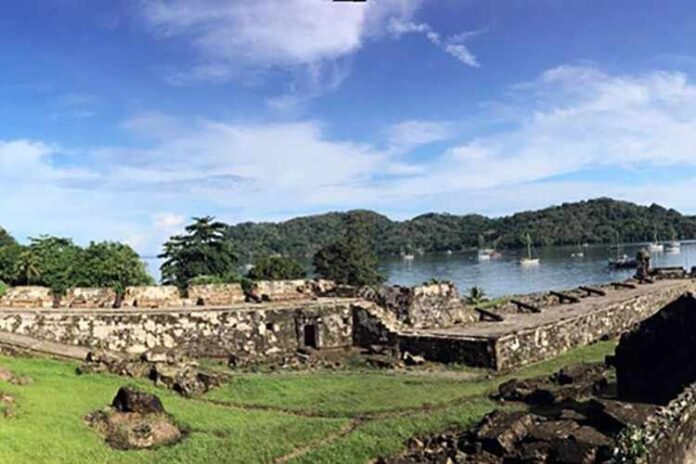
About an hour and a half by car from Panama City, Portobelo National Park is a protected area where you’ll find the meeting point of the rainforest and the sea. Declared a World Heritage Site by UNESCO, and a Monumental City of the Americas by OAS, Portobelo is home to iconic historical monuments of military, religious, and cultural natures. Plus, one of the best reefs on the Caribbean coast makes it a fantastic diving spot and home to various diving schools.
Our Caribbean Adventure is the best way to discover all that Portobelo National Park has to offer. It takes you zip lining in the jungle, snorkeling in Portobelo Bay, and a guided tour through the Fort Portobelo.
8. Cerro Hoya National Park
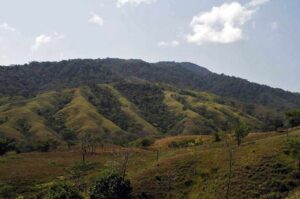
Home to the highest peak on the Azuero Peninsula composed the oldest rock in the country, Cerro Hoya National Park is a must-visit on the list of Panama National Parks. Volcanic in origin, this park is an important reserve preserves various endangered species of wildlife. Cerro Hoya National Park is only place in the country where you can find the ocelot (dwarf leopard) and the Puma. Cerro Hoya is also home to over 200 species of birds and animals. This national park in Panama has it all: waterfalls, mountains, coral reefs and swamps. Here you can enjoy all kinds of adventures like bird watching, hiking and camping.
9. Santa Fe National Park
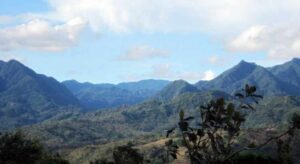
Immerse yourself into a habitat that is home to more than 300 species of birds! Plus, Santa Fe National Park is home to jaguars, pumas, monkeys, boas, frogs and more! Popular things to do in Santa Fe National Park include seeking out remote swimming spots and swimming under a waterfall. You can also hop on and enjoy a horseback trail ride and exceptional birding opportunities.
When is the best time to visit Santa Fe National Park? The serene mountain village hosts an annual expo in August. Here you will have the opportunity to see the over 300 species of orchids native to the area!
10. Gulf of Chiriqui National Park
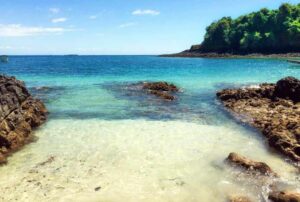
One of the most astounding Marine National Parks in the world, this national park in Panama encompasses two dozen islands. The Gulf of Chiriqui National Park is a scuba and snorkel paradise. The island forests are home to howler monkeys among other species of terrestrial wildlife. The surrounding gulf waters are known for world-class sport fishing. Whale watching and dolphin spotting is also one of the highlights of the Gulf of Chiriqui. If you’re a lover of nature, and of the beach, a visit to this National Park in Panama is sure to be a dream come true.
Whale watching and island hopping day trips from Boquete are really growing in popularity. We have the feeling that the Gulf of Chiriqui National Park is going to be climbing the ranks of Trip Advisor in the near future. Have you been to Chiriqui? Let us know if you agree.
During your Panama vacation, it’s a great idea to visit one of the many Panama National Parks. There are many more than just the ones found here on our Top Ten Panama National Parks. National Parks are important to Panama and to the rest of the world because they preserve wildlife and abundant ecosystems, while giving endangered species a chance to survive. Support sustainable ecotourism by choosing to visit one of these extraordinary preserves.
Check back with us as we explore each one of these National Parks in more detail for you. Let us know what interests you most. We love to share our local knowledge with fellow travelers.