


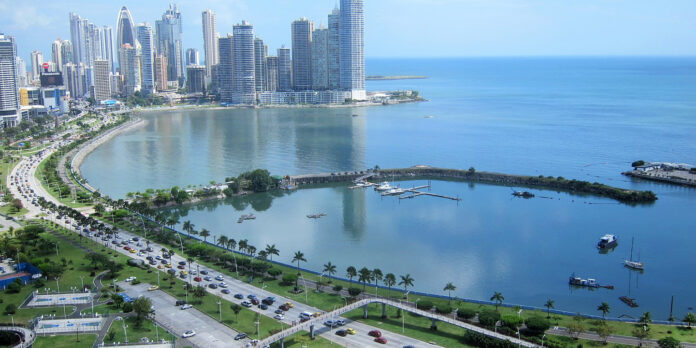
Travel Spotlight – Panama City, Panama
Panama City FAQ’s: The Real Deal Team Answers What, When, Where, How & Why You Should Visit Panama On Your Next Vacation
Panama City is truly one of the most fascinating destinations in Central America. Of course, you probably think of the Panama Canal when you think of Panama, but this city has so much more to offer! This famous city is the political center of the country, it is a must-see tourist destination, as well as an international hub for commerce. If you are thinking to visit Panama in the near future, read on to find some great tips on when to travel, what to do, how to get around and why it is so spectacular.
Let’s start with why Panama is so awesome with a quick and anything but boring history lesson. Panama has a colorfully rich history full of lost civilizations, explorers, conquistadors & pirates after all.
History of Panama City – A Tale of 3 Cities
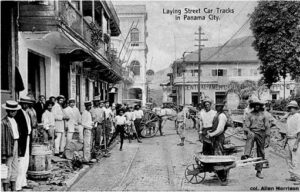
The coastlines and rainforests of Panama have been inhabited by humans for at least 10,000 years. It’s estimated that several dozen indigenous groups were living on the isthmus prior to the Spanish arrival. However, the historical tragedy of Panama is that there are almost no actual remains of these great civilizations. Tales of lost cities still survive in the oral histories of Panama’s 5 remaining indigenous communities. Many believe that evidence of these lost civilizations are still to be discovered in the vast, lush rainforests that cover most of the country. Especially the Darien Gap between Colombia & Panama.
The Original Panama City, Panama La Vieja
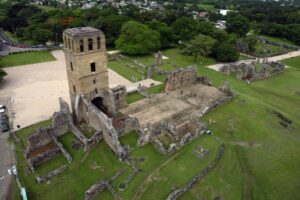
In 1501 the discovery of Panama by Spanish explorer Rodrigo de Bastidas marked the beginning of the age of conquest and colonization. Twelve years later, his first mate, Vasco Nunez de Balboa discovered the Pacific Ocean, a much larger discovery, so he is the one who is celebrated in most history books and on the country’s currency. Panama City was founded later on 15 August, 1519, by conquistador Pedro Arias Dávila. The old city was the starting point for expeditions that eventually conquered the Inca Empire in Peru.
The original site of Panama City thrived as Spain overtook Peru. Large amounts of gold traveled across the isthmus from Panama City to be loaded on the ships bound for Spain. However, this wealth attracted pirates and, in the early 1700s, Panama’s Caribbean shore was dotted with many pirate strongholds. Panama is full of true Pirates of the Caribbean tales you can learn about at the now protected as UNESCO World Heritage Sites such as Fort San Lorenzo & Fort Portobelo. In fact pirate looting is what brought down the original Panama City.
Casco Viejo – New Beginnings & The Panama Canal Project
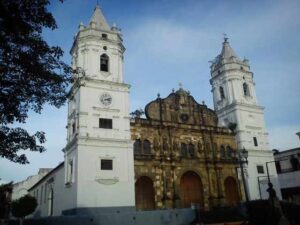
The second site of Panama City is now referred to as Casco Viejo. It had its glory days during the founding years of the Panama as a nation. In 1821 the isthmus gained its independence from Spain and became part of Gran Colombia. The French built many structures in the new city during their attempt at building the great canal. On November 3, 1903 Panama declared independence from Colombia and the country of Panama was founded. That very same year the US took over the shipping canal project that the French had started, and construction on the great Panama Canal began. In 1914 The United States completed the Panama Canal, one of the top man-made wonders of the modern world. Since then, Panama has become a vacation destination for international visitors. In fact, 100 years later, Panama had to expand the canal to handle the amount of massive size cargo ships that navigate the Panama Canal today.
Panama City Today – A Mix of The Old & Ultra New
Today, Panama City is a multicultural city full of churches, museums, squares and palaces. The central part of the city now runs along the Cinta Costera. You will find skyscrapers lining the coast stretching between Panama la Vieja and into Casco Viejo. Most of the historical buildings are located in the Casco Viejo. The rest is quite modern. Panama City is famous for its vivid nightlife and exquisite international dining options. The must-see sectors of the city are: the commercial district, the historical city center, and the Amador Causeway which provides amazing views of the ocean and city skyline.
Panama City FAQ’s – Your Frequently Asked Questions About Traveling To Panama Answered
So, now that you are caught up on the why you should visit Panama, lets explore our most frequently asked questions for the rest of the what, when, where & how shall we?
Is Panama City, Panama safe?
Panama is among the safest countries for tourism and business travel in the region. Violent and non-violent crime is very rare. That said, you should always exercise caution and common sense in unfamiliar areas.
Do I need to speak Spanish in Panama?
No. Most Panamanians are bilingual in English and Spanish, especially those that cater to visitors. However, whenever travelling to another country you should try to pick up a few common phrases just in case. Here is a list of some helpful Spanish words to get you started: https://baselang.com/blog/vocabulary/105-common-spanish-phrases-to-learn-before-traveling/
Do I need any shots to enter Panama?
No vaccinations are required for travel from the US or Canada to Panama. Measles, Hepatitis and Typhoid vaccines are recommended but not required. You will need to check with your country you are coming from into Panama for restrictions however in case you are arriving from a country where vaccinations are required.
What is the currency in Panama City?
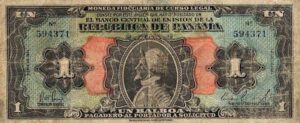
The currency is “Balboa” which has the same value as the US dollar. The U.S Dollar is accepted as legal tender throughout the country and most credit cards are accepted as well.
Do I need a visa to visit Panama?
If you are coming from anywhere in the Americas or the European Union, you most likely will not need a visa, but you will need a passport that is valid for at least 6 months to land tourist visa which will last you up to 90 days. For more information, check out our blog on the required travel documents to enter Panama.
Can I drink the water in Panama?
With the exception of the islands of Bocas del Toro, you can drink the tap water all around the country. Panama City has very safe, clean drinking water.
Why choose Panama City over other Tropical destinations?
Panama has an incredible rainforest located only 30 minutes from the center of the city . There are a ton of different ways to explore it and be back in time for dinner at your fancy hotel if you want. Did we mention beautiful beaches, fascinating history & culture and a fun safe capital city. Lastly, Panama provides exciting night life with excellent restaurants.
What should I pack for my trip?

Whenever packing for a vacation, there are the obvious essentials. But in order to visit Panama there are a few items we recommend such as sunscreen, light clothing, a camera, and a great attitude. Here is a complete list of items you may want to consider packing.
Weather in Panama City – When is the Best Time to Visit Panama City, Panama?
So now that you know a bit about Panama, you just need to schedule your trip! The best time to visit Panama is between January and mid-April. This is the driest part of the year and shows off the country at its most stunning. However, it’s also worth considering travelling to Panama during the rest of the year, when you can experience local events and beat the crowds. The busiest month for tourism in Panama City, Panama is June, followed by March and July.
The hottest months are April, March, and February. But Panama has some very humid months as well which can create a tropical heat. The least humid month is March, and the most humid month is October.
Spring: March- May
Humidity and temperatures combine to make this season feel warm. Rain is very common during this season. Spring is the busiest for tourism, which makes it an ideal time to visit!
Summer: June-August
The middle-year months have high temperatures that get very hot in the middle of the day. June – August is the second busiest season for tourism in Panama City, so make sure to book ahead in advance.
Fall: September to November
Fall in Panama City is very humid and wind. It rains a significant amount: 9 to 10 days per month. Tourism is the slowest during these months due to the weather, so hotels and tours are affordably priced.
Winter: December to February
Weather is perfect this time of year in Panama City if you enjoy warm weather. The days are usually quite hot, with little rainfall. These times of year are fairly slow with tourists so it is also an affordable time to travel.
Ultimately any time of the year is fantastic for visiting Panama with one exception: November. Not only is the rainfall the worst of all, but it is also a month of national holidays. The city is very busy with locals and nationals. However, this is a great time to experience the true local culture.
Transportation – What is the Best Way To Travel Around Panama City?
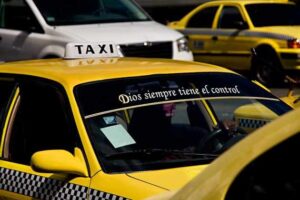
The transportation situation in the Panama City is great for getting around. Take a local bus or the Metro for unique experience. Uber is also widely used throughout the city these days.
Metro: The first line of the metro runs north to south under the city, with fares at around 35 cents. This is the best way to getting around during high commute hours when the traffic in Panama City is horrendous.
Bus: Buses in the city are divided into the local routes with fares around 25 cents.
Taxi/Uber: Taxis can be private or shared, so can be quite economical. Taxis are also plentiful and affordable in the city. Except when it rains. When it rains, an Uber is your best option.
You can check here for more information about taxi transportation in Panama.
Panama City Travel Tips – Things To Consider While Exploring Panama City
Some basic tips about just moving about and exploring Panama City that you should think about.
Watch the Heat
It’s hot in Panama, but the sun is a far greater problem. Most people are not used to this type of heat and intense sun. While you might not feel it, you can burn very fast, so sunscreen is essential.
Stay Hydrated
On that note, be prepared to sweat…. A LOT! It is humid in Panama. While most places have air conditioning blasting, as you move about outdoors, you will lose a lot of water without realizing it. The tap water is clean and safe to drink in Panama. Carry a water bottle with you and fill it often.
Download Uber
Taxis and transportation is wonderful in Panama City but since Uber has been introduced several years back, it makes for the safest, easiest mode of travel. If you have not already, download the Uber App.
Try the Local Cuisine
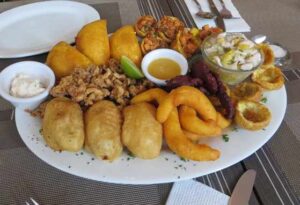
Panama City is home to many trendy restaurants With unique dishes like Sancocho de gallina Panameño, Carimañolas , Hojaldras and Tostones, one could spend days dining at the local spots and still have plenty left to try. As Panama City is a international hub for commerce, the international cuisine is amazing. Here is a great food guide to eating like a local.
Take in the City
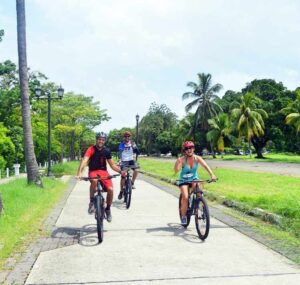
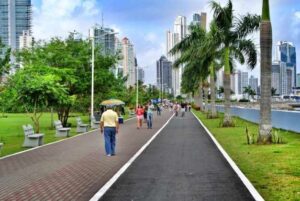
The best way to experience a city is to immerse yourself in it. Panama is a very safe city and most of which is accessible from the beautiful cinta costera, which is Panama’s boardwalk. Follow the wide path along the coast, past towering architectural structures all the way into Casco Viejo to explore the historical district. Or rent a bike and go all the way out to the Amador Causeway for some spectacular photo ops. The well-lit path is lined with all sorts of sports activities and open park areas the locals enjoy well into the night.
However, as with any destination in the world, we strongly suggest taking a guided tour of the city on your first day of your Panama vacation. It is also the best way to get local tips on where else you should visit and where to eat.
Get Out of the City
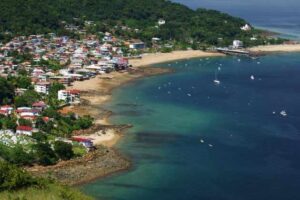
One thing the locals like to do on the weekends is get out of the cit. Only a short ferry ride away, a Taboga Island Day Trip is one of the most popular weekend activities for locals and travelers alike. Taboga Island has an interesting history and also offers some fine beaches. There are excellent hiking options on land, and the water is beautiful. It’s known as the Island of Flowers because of the lush landscape. It is also far less chaotic than nearby Panama City. Worth a day trip for sure! Just be aware that it packs out with boats & locals partying during holiday weekends.
Check Out the Museums
Panama’s history is such a mix of cultures, it is no wonder they have an incredible selection of museums you can visit. Here is a guide to some of our favorite museums in Panama City.
Go See The Panama Canal
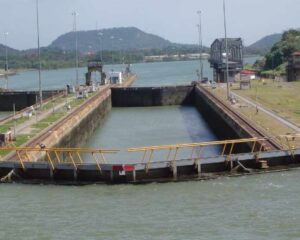
Ok, kind of a no-brainer we know. Visiting the Panama Canal should top anyone’s bucket list when coming to Panama City. But to pump you up, here is a little info on the Miraflores Locks as well as some Interesting Facts About The Panama Canal to inspire you.
Book Excursions
Panama City itself offers some incredible sightseeing and day tours. And while you may be able to find some of these things on your own, we recommend guided tours whenever possible. Take a guided city tour, hit the ruins of Panama La Vieja, go birding in the rainforest, take a tour to an indigenous village, check out the monkeys on a jungle safari or even seek out the Piedra Pintada Petroglyphs in the Valle de Anton. There are a ton of things to do in Panama City, its just up to you to choose how much time you want to spend exploring them all.
We hope you are ready to visit Panama now. We are here to help you plan your trip. Just zip us an email to info@therealdealtours.com, or catch us on Whatsapp +1 (210) 858-6353. Your Panama adventure is just a click away!