


On your next vacation, consider visiting or even volunteering at an animal sanctuary for the day. While there’s nothing like the wild, it can be dangerous to return captive-born animals to their natural habitat since they have been raised by humans. That makes a wildlife sanctuary a perfect refuge for animals in these situations.
Although wildlife sanctuaries sometimes get a bad rap due to mismanagement, they are still ethically better than zoos or even worse, circuses. Animal lovers support wildlife sanctuaries not only because they want to see animals up close, but because they believe sanctuaries are a benefit to the animals.

Why You Should Visit a Sloth Sanctuary in Costa Rica
Nobody knows exactly how many exotic animals are currently in captivity in the United States. However, thanks to binging on Netflix’s Tiger King, many of you now know it’s estimated that there are at least 5,000 tigers in captivity. That is way more in captivity than exist in the wild today. This is absolutely heartbreaking.
Aside from tigers, many different types of animals are kept all over the world as pets or for personal gain. Eventually, a lot of these animals eventually end up in wildlife sanctuaries. When people take in a wild animal like a baby monkey or a tiger, they don’t realize what it actually takes to care for them as they grow. What started out as a cute cuddly baby eventually grows into an adult with naturally wild instincts. Once they become too expensive or too dangerous for their owners to keep, one of the only options is to seek out an animal sanctuary. This is why animal sanctuaries are so important.
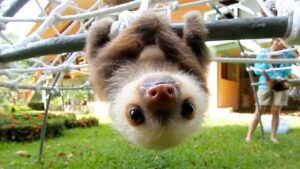
What’s the Difference Between a Sanctuary and a Zoo?
Animal sanctuaries provide safe, proper homes for the animals. Typically they take in animals that have been abandoned as pets, or that were harmed in the wild. The aim of these places is to nurse the animals back to health and rehabilitate them into the wild. They can be great tools for educating the public about animals and building a responsible relationship between humans and animals in the wild.
Always make sure to do your research before visiting any sanctuary to ensure the animals are being properly cared for. Good animal sanctuaries should be inspected yearly for compliance with the Animal Welfare Act: The animals must have sanitary conditions, sufficient enclosures, proper vet care, and have appropriate food and supplies.
Zoos are created specifically to show off animals to the public. They collect animals, taking into consideration which ones will make them the most money and which ones are the most appealing. Zoos buy, sell, trade, and breed animals. Many animal welfare groups believe that zoos exploit animals by keeping them in captivity and exhibiting them to the public.
Animals are not meant to live in cages or behind bars. The same misery and despair that humans feel when they are locked up in prisons and in jail cells are felt by the millions of animals around the world that are caged up in zoos. In the wild, animal habitats are so vast that it is impossible for a zoo to even come close to replicating it. When the focus is on profit and entertainment, the spaces where animals are kept become even smaller since it makes for easy walking distance for guests.
Unfortunately, animals in aquariums suffer a similar fate to zoo animals. Large marine mammals like whales and dolphins are forced to live in tanks where they can only swim a few feet before hitting a wall. In the sea, they swim hundreds of miles a day. Additionally, marine life is consistently taken from the ocean to fill aquariums, usually as young babies who are separated from their mothers.
Why are Sloths in Costa Rica So Famous?
Costa Rica is famous for lots of things; zip-lines, coffee, beaches, and most importantly, environmental tourism. But the superstar of Costa Rica’s animal kingdom tends to be the sloth. It could have also been this now infamous must-watch commercial by the Costa Rica Tourism Board. Regardless of the reason, there are several nature preserves & sanctuaries throughout the country to protect their favorite mascot.
Found in Central and South America, sloths live most of their lives in the trees. They spend about 90% of their day hanging from a branch, as their long claws make it difficult for them to walk on the ground. However, since sloths are such slow-moving creatures, they open themselves up to a lot of danger when exposed on the ground. Predators, humans, and deforestation pose a huge threat to sloths in the wild. Intrigued? Check out some more fun facts about the sloths in Central America on our previous blog.
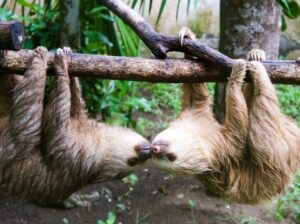
Visit The Sloth Sanctuaries of Costa Rica
No visit to Costa Rica is complete without a visit to at least one of the sloth sanctuaries in Costa Rica. The most famous sloth sanctuary in Costa Rica is found on the Caribbean coast near Cahuita. The Sloth Sanctuary is a 320-acre nature preserve and rescue center where abandoned baby sloths and those with physical disabilities are rescued, rehabilitated, and given another chance to thrive.
The Sloth Sanctuary of Costa Rica was officially authorized as a rescue center in 1997. The mission of the Sloth Sanctuary is the rescue, rehabilitation, research, and, when possible, the release of sloths. Their aim is to educate people about conserving the rainforest, the sloths’ natural habitat. They help visitors understand how sloths live in the wild and why they are such unique animals. Currently, the sanctuary cares for about 214 sloths. Some sloths can be released into the wild, while others have physical needs that require long-term care.
If you are looking to visit a wonderful sloth sanctuary in Costa Rica, then we recommend taking our Rainforest Hike & Sloth Sanctuary Tour. After hiking through the beautiful lush rainforests, you will be driven out to the Sloth Sanctuary. The preserve is located 11 kilometers north of Cahuita. Once you arrive at the Sloth Sanctuary, you will embark on a canoe expedition where you will hear the fascinating story of how the Arroyos came to be the sloth-rescuers of their area. You will also get to visit some of the sloths up close before and after the canoe ride. Seeing a sloth in such close proximity is an incredible experience! This hour-long tour of the preserve will leave you far more knowledgeable about these amazing creatures. This is a great ethical option on your next vacation, and you will certainly have stories to share with those back home. Hopefully, you will also get some heart-warming photos of Costa Rica’s signature furry friend, the Sloth.
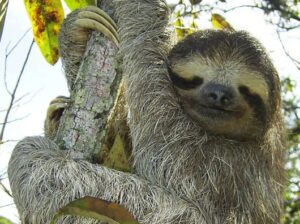
Coming to Costa Rica on a Cruise Ship & Want To Visit a Sloth Sanctuary?
Are you a sloth lover? Only one day in Port but want the best chances of meeting a sloth? We have a Puerto Limon shore excursion was designed specifically for you.! The Sloth Lovers Tours’ main focus is seeking out sloths in the wild. Of course in places like Cahuita National Park and the Tortuguero Canals, you will see a huge variety of wildlife, Tortuguero is the Amazon of Costa Rica after all. On the Sloth Lovers tour, your naturalist guide is passionate about the sloths. They will teach you everything they know about Costa Rica sloths in the wild. This tour does not visit a sloth sanctuary but will show you sloths in their natural habitat. This is a great option for cruise ship passengers to see sloths. Best of all, the tour departs directly from the cruise ship pier in Puerto Limon.
At The Real Deal Tours, we are partnered with only the most passionate and reputable tour operators. No matter where you plan to visit in Costa Rica, we can help ensure you have the opportunity to get to know our beloved mascot. Just contact us and we will find the perfect excursion for spotting sloths in Costa Rica for you.
So you only highlighted one sanctuary and it’s the only one that refuses to rewild the animals they take in? Really?