


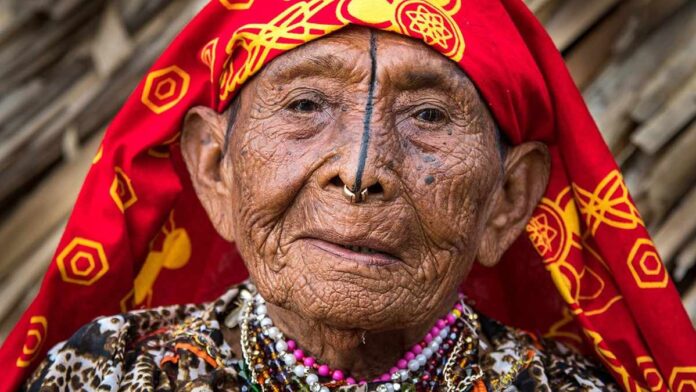
Sustainable Community Based Tourism:
An Alternative for the Indigenous People of Panama
Panama is home to seven different indigenous groups. These indigenous communities have been present in Panama since pre-Colombian times, although they had to migrate to isolated areas in the impenetrable jungle of the Darien for a long time to preserve their ways and traditions from the Spanish conquerors and later from modern-day society. Little by little they’ve made their way back to mainstream Panama, giving Panama a culturally rich and diverse society. The indigenous people of Panama have turned to tourism to find an alternative way to make a living by welcoming tourists to their villages. This kind of sustainable community-based tourism is presenting a new opportunity to Panama and modern society to preserve these indigenous cultures and allow them to co-exist in a world where everything else has become so advanced.
The Indigenous People of Panama
In 1990, from a total population of 2,329,329 inhabitants, 194,166 were Indigenous Indians. Although numbers have been declining, nowadays there are six prominent indigenous groups of people in Panama:
| Emberá | Wounaan |
| Ngöbe Bugle (or Ngäbe Bugle) | Naso (Teribe) |
| Bribri | Kuna Yala (or Guna Yala) |
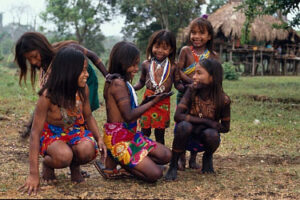
The indigenous people of Panama have remarkably survived over the centuries preserving their ways and customs practically intact since the times of Christopher Columbus in the 1500´s. Some have adapted more than others, but in general the indigenous communities of Panama still strive to find their means to subsist and are turning towards sustainable tourism to survive for another few centuries! Panama´s indigenous tribes are concentrated in the more remote regions of the country, and this isolation has allowed their cultural survival. The Ngöbe Bugle, who account for about 60% of Panama’s indigenous population, inhabit the remote parts of northwest Panama; the Kuna Yala, accounting for about 30%, are mainly found along the Caribbean coast east of Colon and scattered throughout the San Blas Islands. The smaller tribes of the Embera and the Wounaan still inhabit the harsh territory of the Darien, an area practically impenetrable without the assistance of a knowledgeable guide, or an Emberá! The Bribri were a small section of the Talamanca tribes of Costa Rica and still sustain along the rivers on the border while the Naso are a small tribe that lives near the Rio Teribe. The Comarcas of Ngabe Bugle and the Guna Yala are the strongest indigenous governed tribes.
Community Based Tourism in Panama
Panama has pretty much followed Costa Rica’s example in developing a “nature-friendly” eco tourism industry, focused in the preservation of the environment and, more recently, of Panama’s cultural richness found in these indigenous communities.
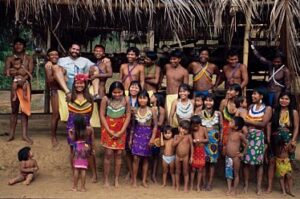
The primary goal of sustainable tourism is to preserve the natural areas but also to improve the lives and ensure the well-being of the local people and local culture. Efforts to prevent “modernization” from having a serious and negative impact on these indigenous cultures have allowed for the creation and the development of community-based eco-tourism in order to improve the lives of these communities without placing their cultural heritage and identity in jeopardy. These activities have also helped increase awareness of the importance to help preserve the traditions of these communities intact; they are a living treasure not only for Panama, but for universal society as a whole.
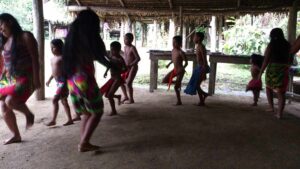 Today you can find Indian Village Tours that take you on an adventure into the lives of some of these Panamanian indigenous communities such as the Embera’ and Wounaan tribes. They invite you to visit their homes where you can learn about their history of how they hid out in the isolated areas of the country like the Darien Gap to preserve their cultural heritage, and how they continue to practice their traditions and ways pretty much how they’ve done it since pre-Columbian times. A genuine cultural exchange you will hardly find anywhere else and that’s giving Panama’s indigenous people a second chance to co-exist without losing their essence and remaining true to their roots.