


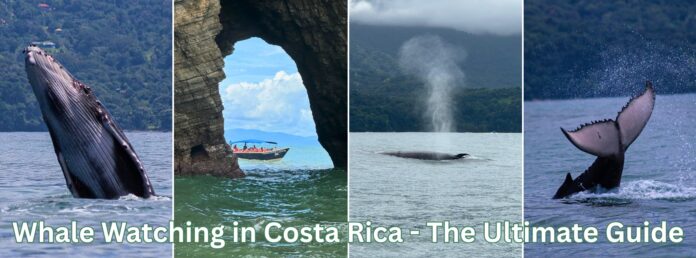
Costa Rica Whale Watching Season
Costa Rica isn’t just rainforests, sloths, and epic sunsets. Twice a year, it also becomes a five‑star maternity ward and dating hotspot for humpback whales. Yep… whales travel thousands of miles just to hang out in warm, calm Costa Rican waters, give birth, and teach their babies how to be whales without freezing their tails off.
That means you get front‑row seats to one of nature’s greatest shows — breaches, tail slaps, curious spy hops, and the kind of moments that make everyone on the boat suddenly whisper, even though whales can’t hear you above the engine.
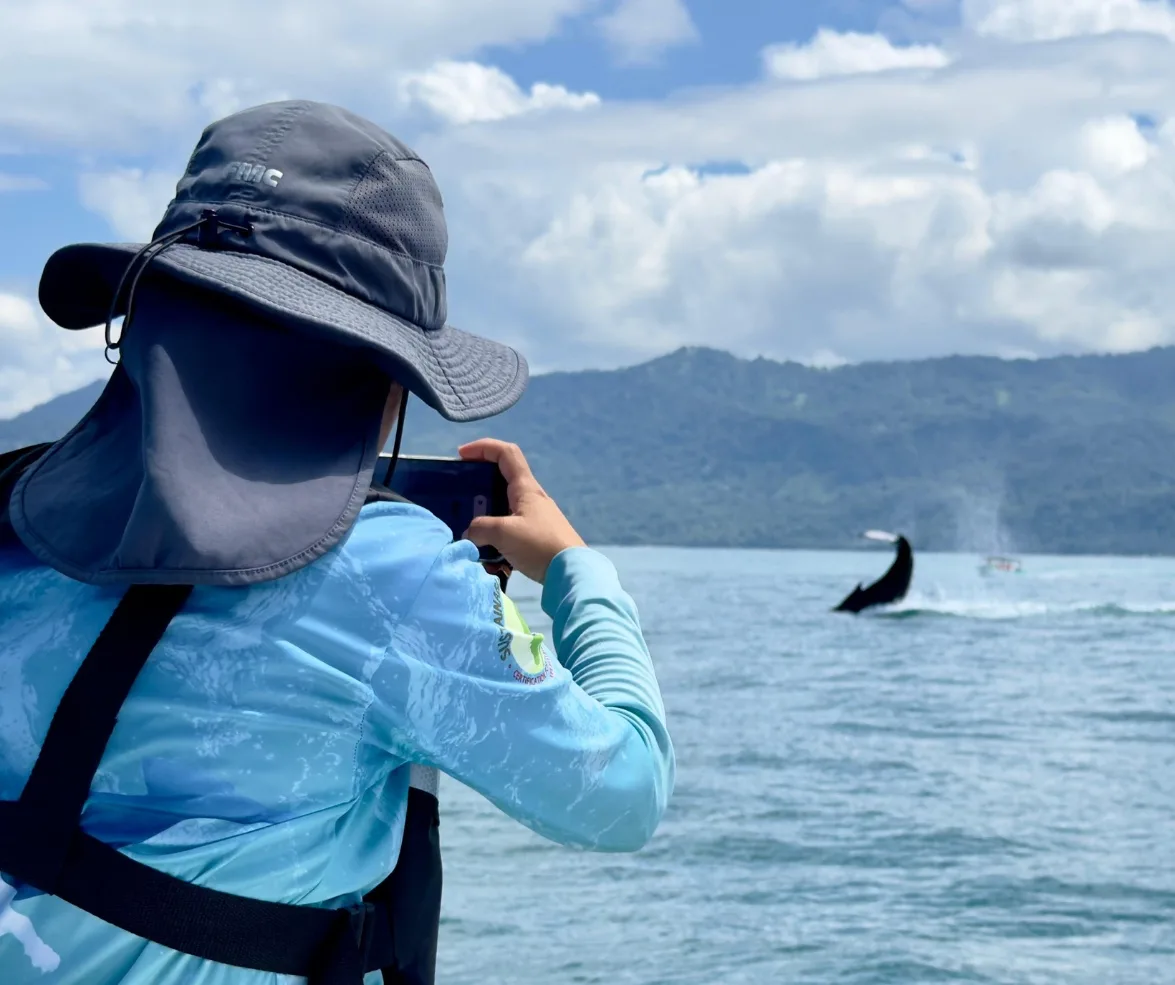 Whales Visit Costa Rica from Both North & South Hemispheres Making the Whale Watching Season in Costa Rica Extra Long!
Guide to the Best Whale Watching in Costa Rica
Costa Rica is one of the very few places on Earth where you can see humpback whales from both the Northern and Southern Hemispheres in the same year. Translation: ridiculously long whale season.
From the wild South Pacific near Uvita and the Osa Peninsula to the beachy vibes of Manuel Antonio and the warm waters of the Gulf of Papagayo, whales show up like clockwork — and they bring friends (dolphins, turtles, manta rays, the whole marine A‑list).
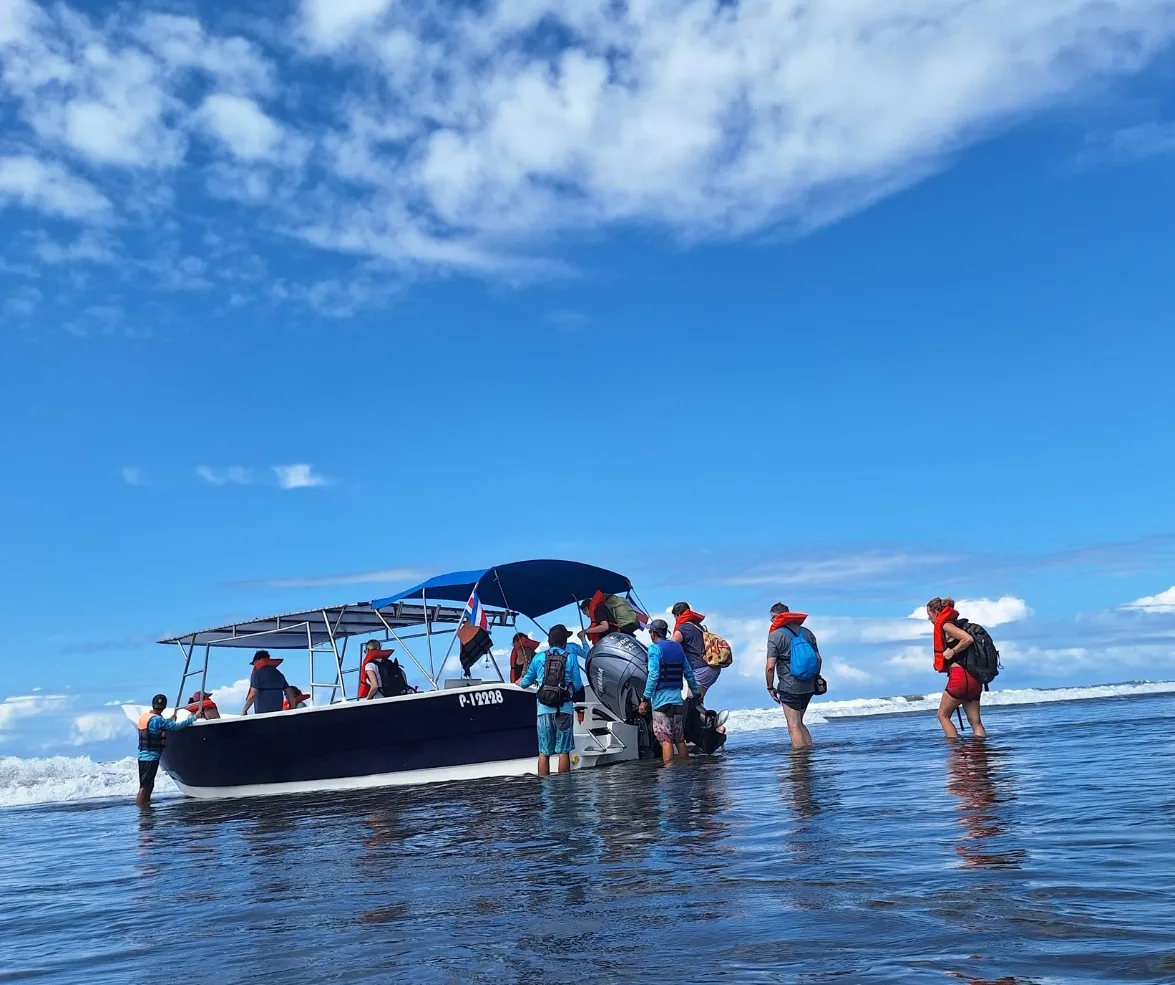 Whale Watching Tour From Marino Ballena National Marine Park Beach in Uvita
Whale watching here started decades ago with researchers and small fishing boats, and has grown into a major eco‑tourism highlight. The good news? Costa Rica takes conservation seriously. The better news? When you book with responsible operators, you get closer (safely), learn more, and help protect the very giants you came to admire.
When is the Best Time to Book a Whale Watching Tour in Costa Rica?
Costa Rica basically runs on a double‑whale‑season schedule, but it is important to know which whales are visiting when and which destinations in Costa Rica you will have the best chance to see whales.
Southern Hemisphere Humpbacks: July to November (Peak: August & September)
Northern Hemisphere Humpbacks: December to March
Resident Species (Dolphins & Others): Year‑round
If you want the highest chance of daily sightings, calm seas, and baby whales stealing the show, aim for the South Pacific coast in August or September. That’s peak nursery season, and it’s pure magic.
A Mom Teaching Her Baby to Swim to Make the Long Journey Back
Also keep in mind that is our “Green Season” meaning everything is green and beautiful, but that is because it rains nearly every afternoon. So booking a morning whale watching tour is best at this time.
Whales in Costa Rica – What Kind of Whale Species Can You Find in Costa Rica?
The stars of the show are definitely humpback whales — famous for their acrobatics, long songs, and surprisingly curious personalities. Costa Rica is one of the few places in the world where you can see:
- Southern Hemisphere humpbacks (July–November)
- Northern Hemisphere humpbacks (December–March)
Along with Panama, Costa Rica offers the longest humpback viewing season on the planet!
Depending on location and luck, you might also encounter:
- Bryde’s whales
- Pilot whales
- False killer whales (more of a large dolphin species)
- Killer Whales – Orcas (rare, but possible — cue the dramatic music)
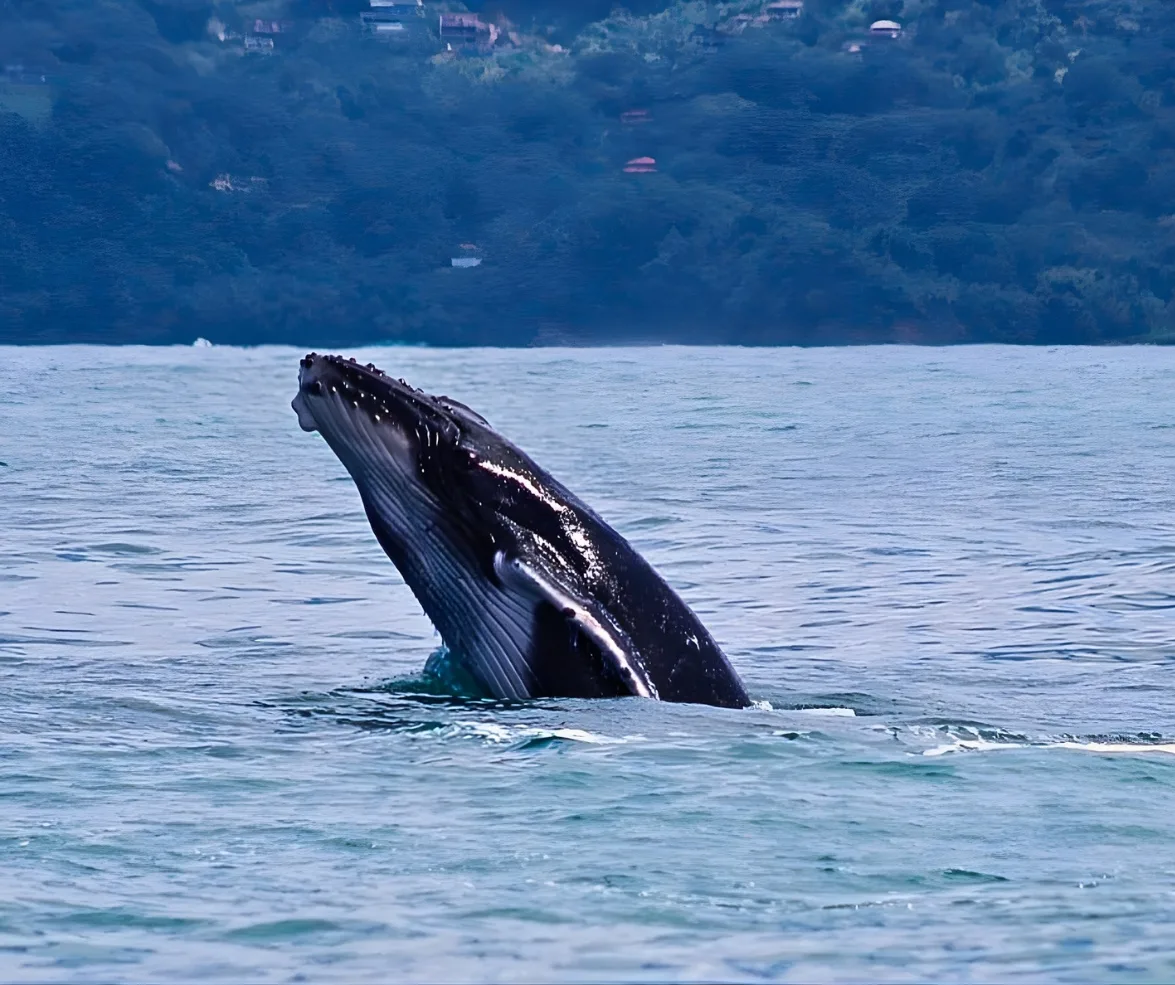
The Majestic Humpback Whales in Costa Rica are Most Commonly Spotted
Where is the Best Place to Find Whales in Costa Rica?
While whales pass much of the Pacific coast, dedicated whale‑watching tours are surprisingly limited. Here’s where your chances are best:
Uvita & Marino Ballena National Park (South Pacific)
This is the whale watching capital of Costa Rica. The famous Whale Tail sandbar even looks like a tribute to the celebrities offshore. I personally think it is the whale Mecca that whales travel from both North and South to pay homage before returning. Or ok, it is probably the nice temperate water temperature and great feeding grounds. But whatever, the Whales Tale Whale Mecca is just more fun so we are sticking with that.
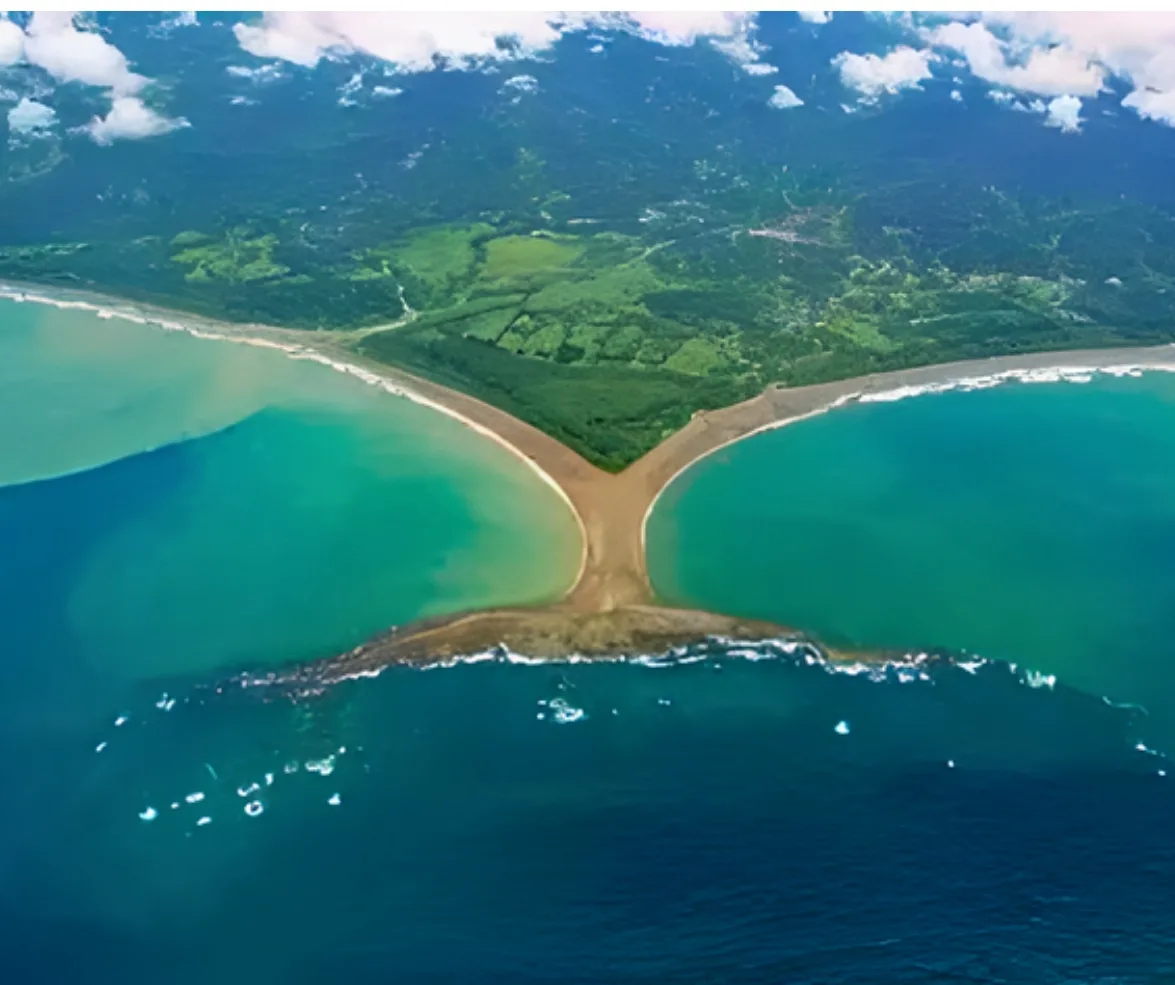
Whale Mecca? Whales From Both Hemispheres Travel to this Whale Tale Shaped Land Formation Every Year
Whale Watching Experiences in Uvita & Dominical:
- Marino Ballena Whale Watching & Dolphin Tour in Uvita – Hands down our top-selling whale watching experience in Costa Rica with the best chances of seeing whales. This ecotour operation has a passion for whales and all marine life and they love to share it with you. As a matter of fact, they are the ones that shared most of the pictures here in this blog too!
- Any boat tour heading toward Corcovado or Isla Caño and areas of Drake Bay during peak whale watching season – The same tour operator takes trips to snorkel Cano Island as well as hike Corcovado, but they explore by boat. So the chances of seeing whales along the way during peak whale season are really good!
If whale watching in Costa Rica is one of your main vacation goals, plan to stay a couple of days in Uvita for the best chances of seeing the whales up close.
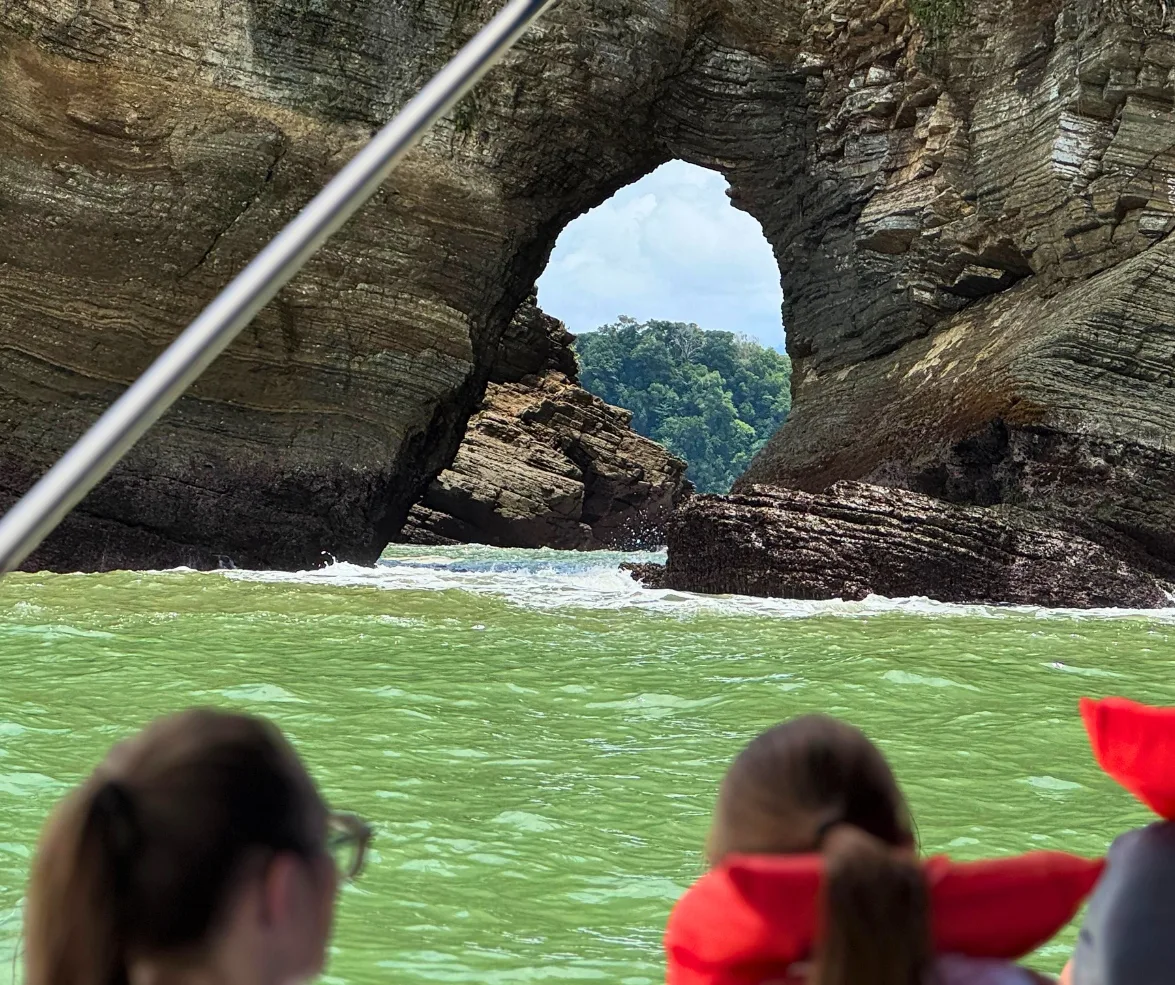
Whale Watching Tours in Uvita Offer the Best Chances of Spotting Whales in Costa Rica along with Dolphins, Sea Turtles, and Beautiful Rock Formations Too!
Manuel Antonio & Quepos (Central Pacific)
While whales can be spotted off the coast of Jaco, it is not as common as a bit further to the South. So if you want to stick to some of the more popular destinations that are more easily accessed, then Manuel Antonio is a good choice. It is also the closest location from the big city if you want to be able to take a day trip to see whales from San Jose.
Although there are not direct “whale watching excursions in Manuel Antonio” there are still great opportunities to see whales nearly daily during peak whale watching season.
Quepos & Manuel Antonio Whale Watching Opportunities
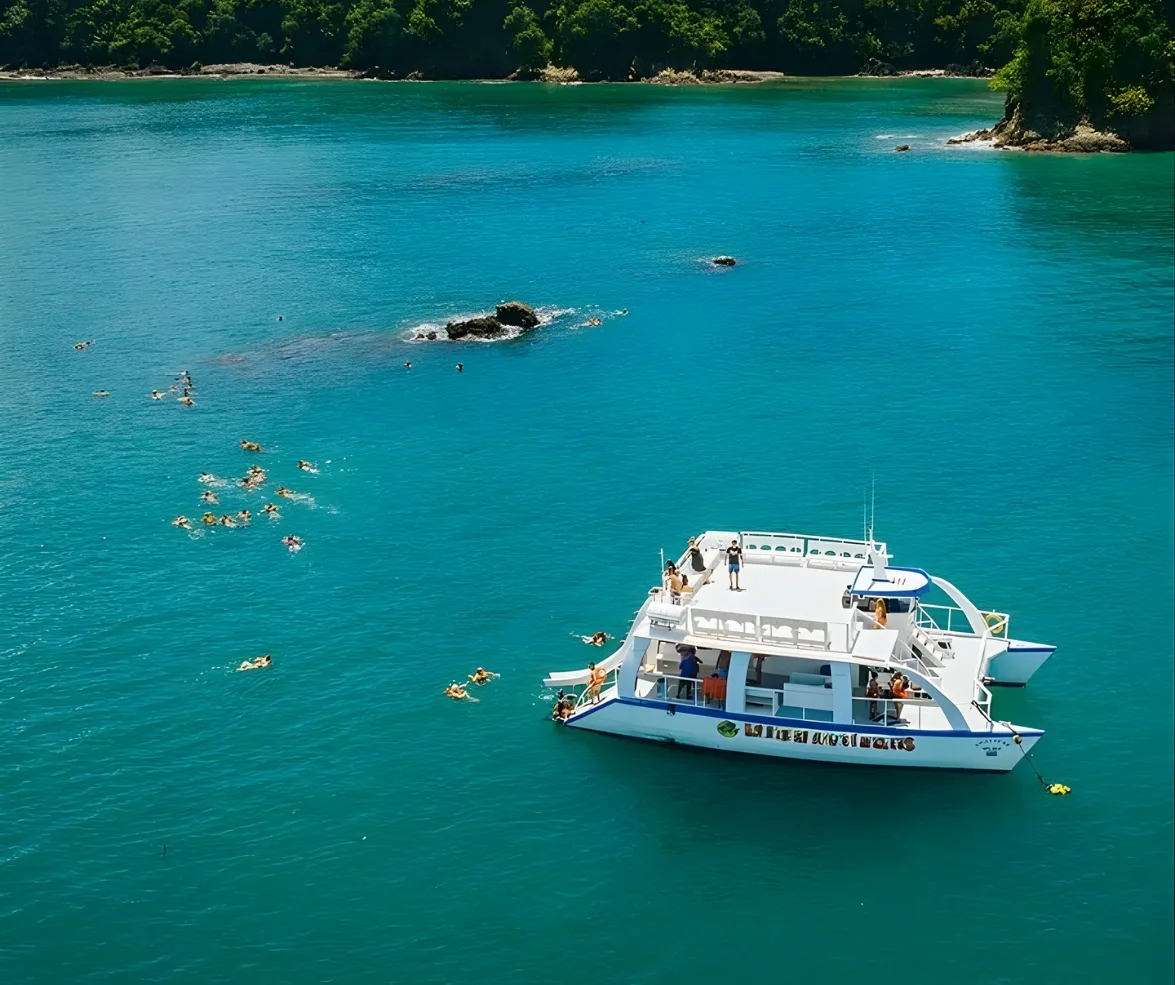
Although There are no Whale Watching Specific Tours in Manuel Antonio, Whales Can Be Spotted From Many of the Boat Tours.
Honestly just about any boat tour from Quepos and Manuel Antonio during peak whale season has a great chance of seeing whales. And if the whales are not super active, the dolphins nearly always are and they love to jump and play in the boats wake. But for the best chance to see whales, they are active in the morning, then again at sunset. So during the December to Februrary whale season, we love a good sunset boat tour for seeing whales.
Whale Watching Experiences in Manuel Antonio & Quepos
- Any ocean boat tour from Quepos or Manuel Antonio during peak whale months
- A private snorkeling excursion allows you to change up the itinerary for less snorkeling and more time looking for whales.
Gulf of Papagayo (Northern Pacific – Guanacaste)
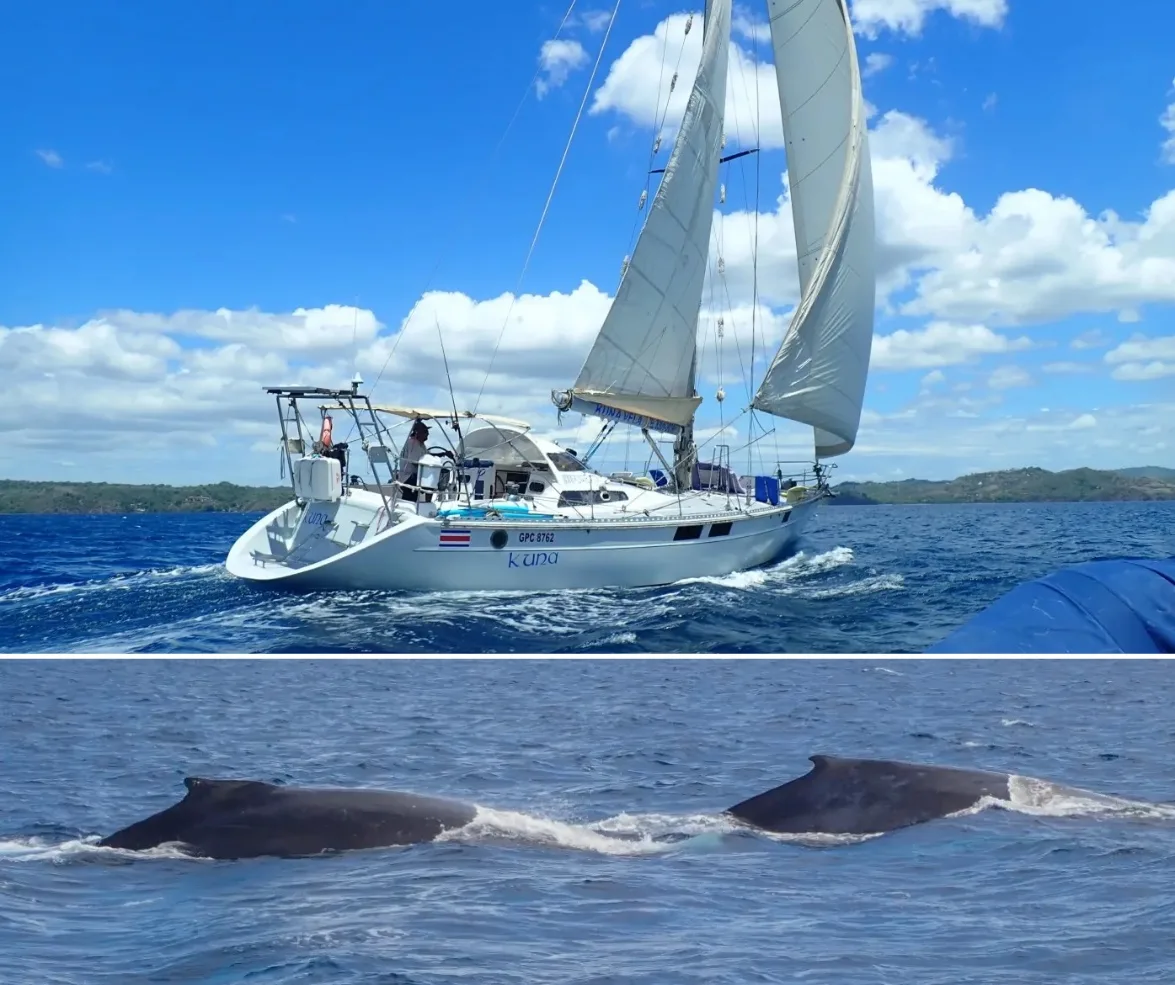
Sunset Sailing in Papagayo is Popular, But During Whale Season in Costa Rica They Get an Extra Special Live Entertainment by Whales in the Gulf of Papagayo.
Warm waters, calm seas, and great visibility. That is what the beautiful Gulf of Papagayo offers. Although there are not a lot of dedicated whale watching excursions in Papagayo, you can count on whale sightings during the whale migration season from December to March. Our sunset sailing and catamaran tours report nightly sightings and some pretty spectacular sunset photos of whales in action.
Papagayo Whale Watching Opportunities
- Private whale & dolphin tours in small boats allow you to customize your trip and get the best chance of seeing Whales and Dolphins in their natural environment.
- Any snorkeling or catamaran tour in the Gulf of Papagayo during peak season. If you are celebrating a special occasion, you will get treated to a spectacular whale show.
Tamarindo (Northern Pacific – Guanacaste)
So Tamarindo is more well-known for its nearby surf breaks and a bit of a nightlife, but it is always a great eco tour hub as well for those looking, Not a dedicated whale hub, but sightings are common in season.
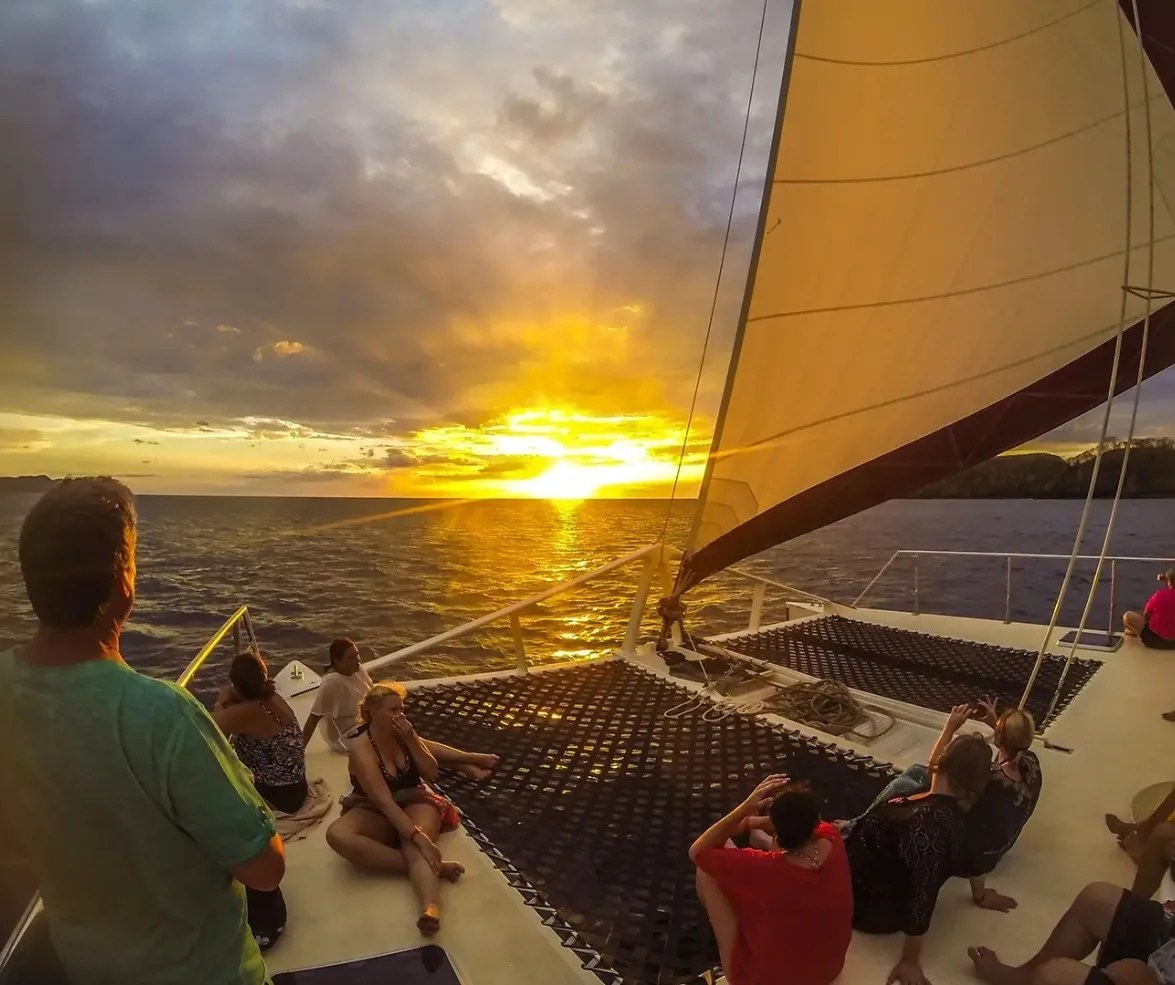
Marlin Del Rey is our most popular sunset cruise in Tamarindo and between January and March you have good chances of spotting whales too!
Tamarindo Whale Watching Opportunities
- Any ocean boat tour in Tamarindo during August–September or January–March. Both early morning snorkeling tours and afternoon sunset tours are great for seeing whales, but they are in less concentration around Tamarindo.
Samara (Southern Pacific Coast – Guanacaste)
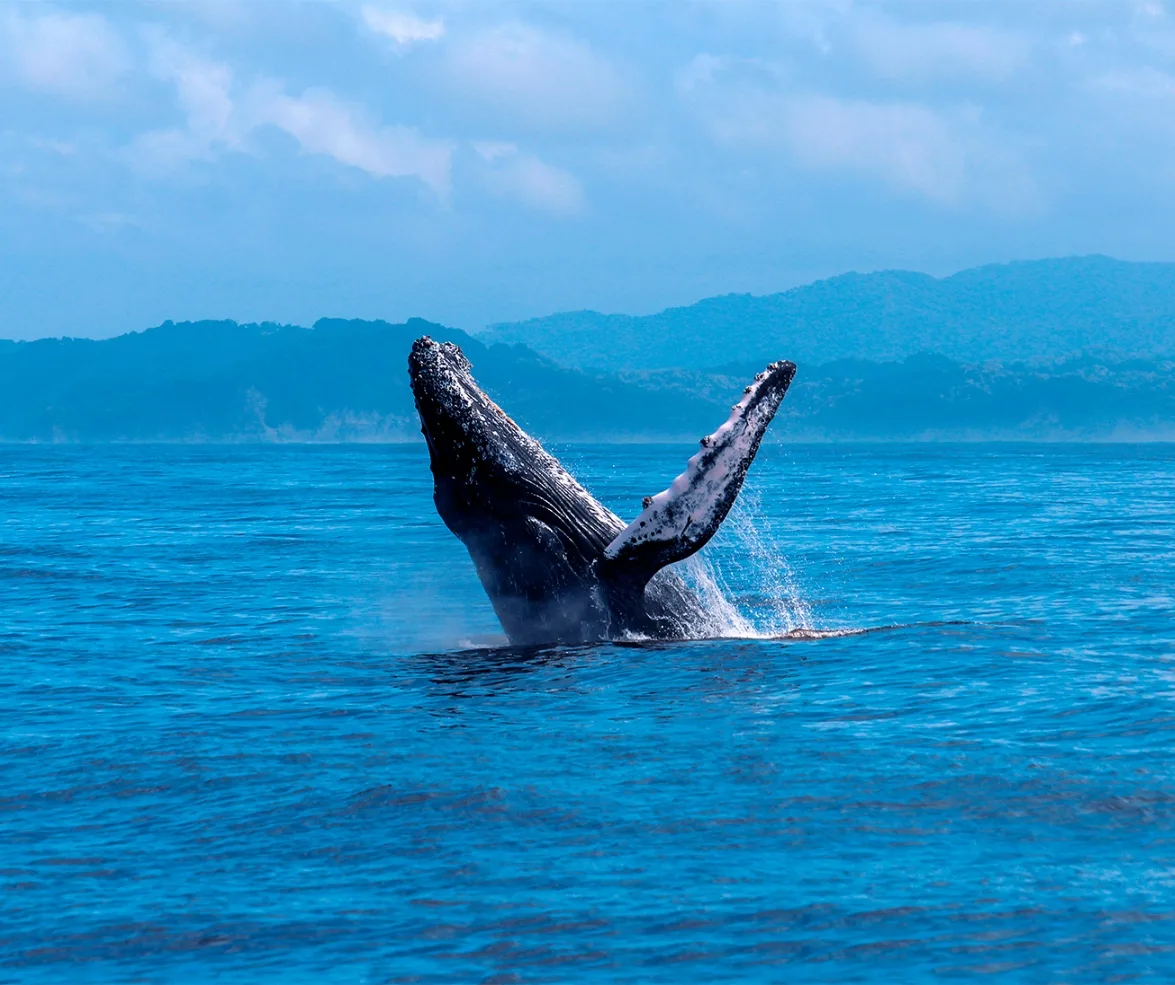
Samara Costa Rica has a very active whale watching season with very active whales!
South of Guanacaste on the Pacific Coast of the Nicoya Peninsula, you will find a LOT of whale action. Like Uvita, they have whales from both the North and South poles, meaning whale watching season in Samara gives you double the chances of seeing whales on your Costa Rica vacation. You can find whales between August and October, then again January through March in Samara.
WOW! That was a Close Call! Whale Swims right up alongside this catamaran in Samara!
Whale Watching Experiences in Samara and Nosara:
- Samara Catamaran Ocean Safari is the number one whale watching tour in Samara. The double decker catamaran makes for great wildlife viewing. Aside from whales, dolphin sightings are common year-round (around an 80% success rate!), especially on this early morning departure when they’re most active and feeding.
- Private Whale Watching in Samara – If you want a more intimate whale watching experience, this small boat can be rented as a private tour and instead of snorkeling you can spend a bit more time on the water seeking out whales and dolphins. Just contact us for a quote.
- Any Kayaking or Paddle tour in Samara in general. While the morning Ocean Safari is dedicated to seeking out marine life, you can find yourself paddling along side whales and dolphins on any of the paddle tours in Samara.
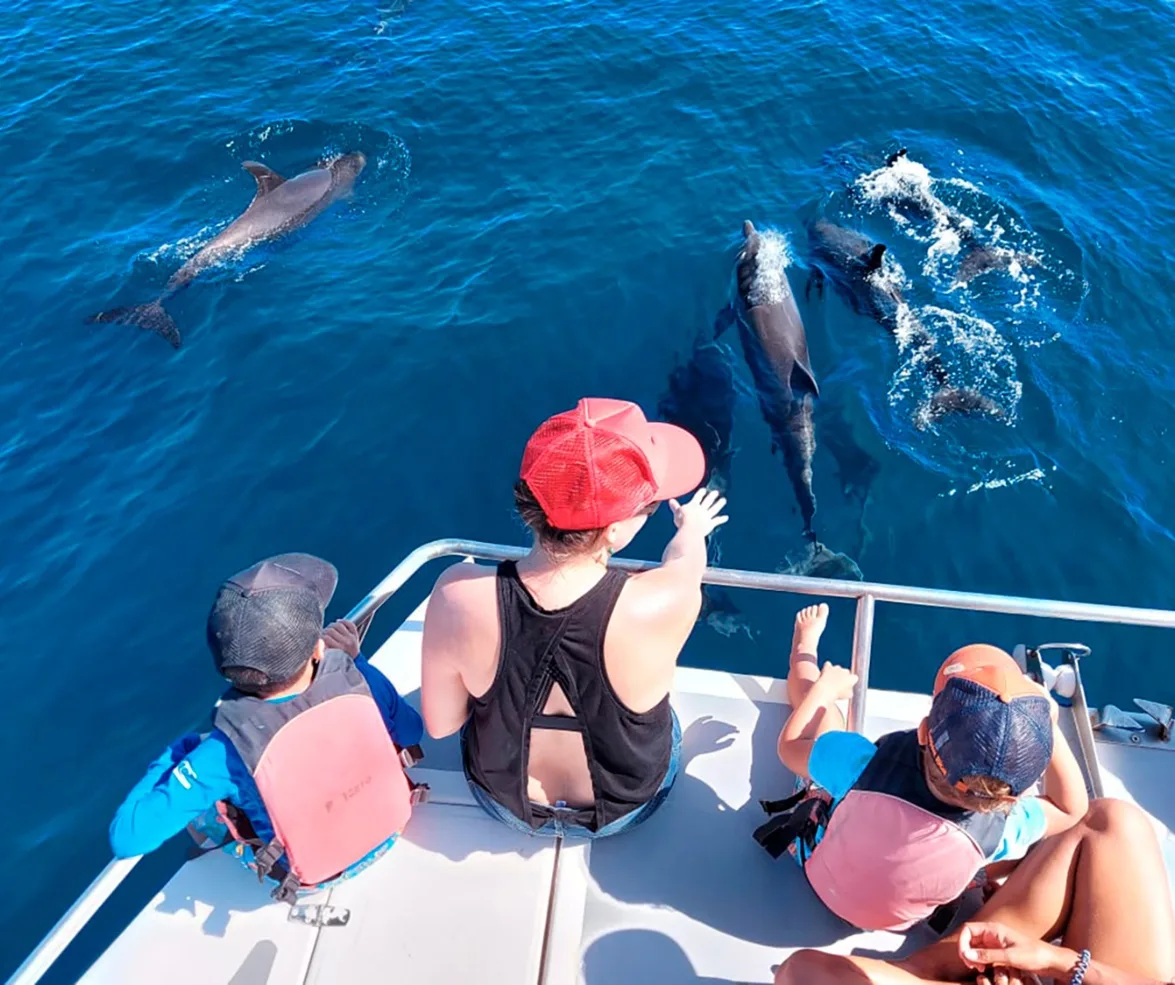
If you miss the whales, chances of seeing dolphins in Samara are about 80% year round!
What Other Marine Life Will We Encounter on a Costa Rica Whale Watching Excursion?
Whales may be the headliners, but the supporting cast is impressive:
-
- Bottlenose and spotted dolphins (often bow‑riding like aquatic show‑offs)
- Sea turtles
- Manta rays and mobula rays
- Whale sharks (very rare, but yes, it happens)
- Tropical fish, seabirds, and the occasional flying fish that didn’t get the memo about gravity
Every trip is different, which is exactly why they’re addictive. Every whale watching experience in Costa Rica is one of a kind.
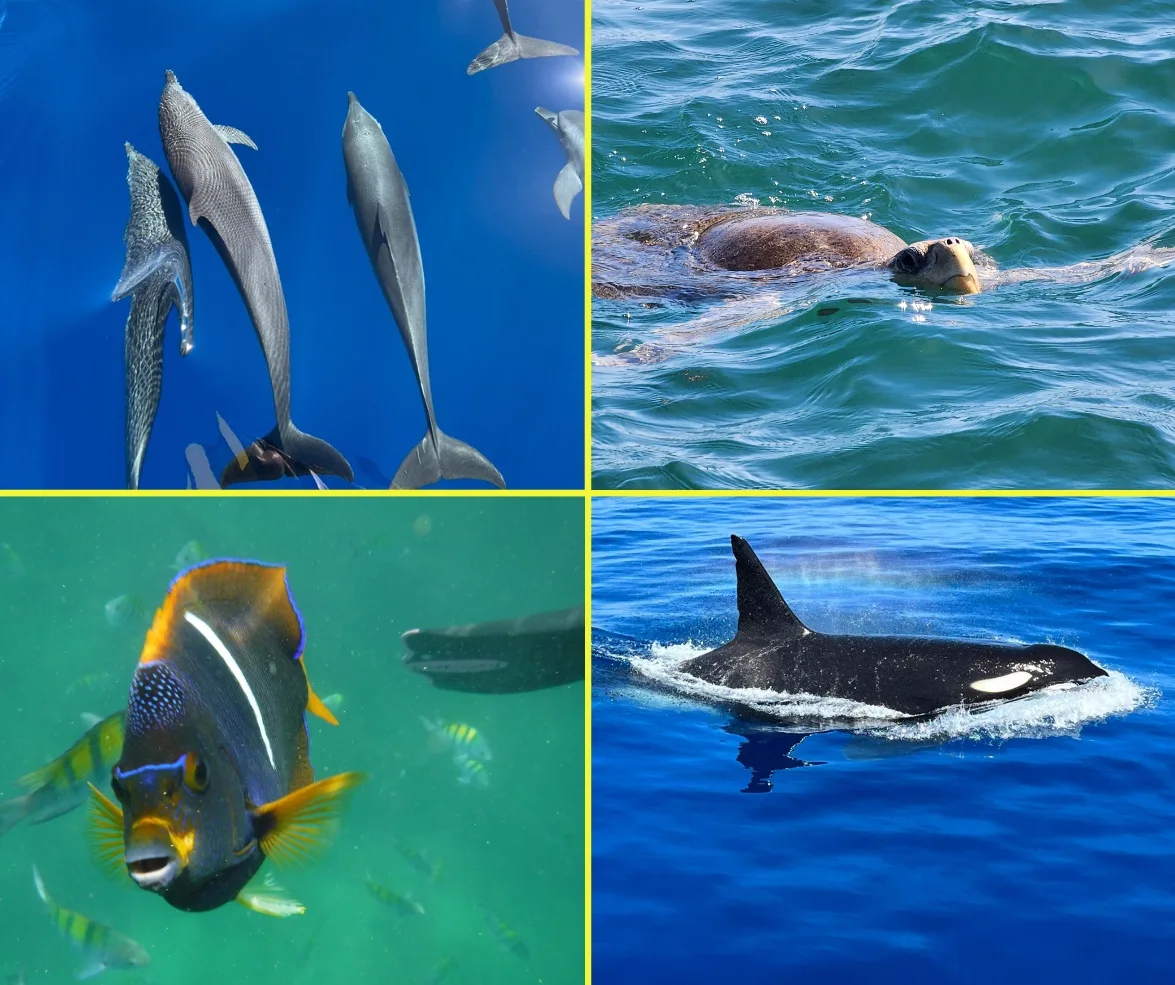
Just a few of the usual suspects found off the Pacific Coast of Costa Rica
Choosing a Responsible Whale Watching Tour Operator in Costa Rica
Not all whale encounters are created equal. Thus, the photo of a whale watching provider in Pearl Islands, Panama that we literally cringed watching.
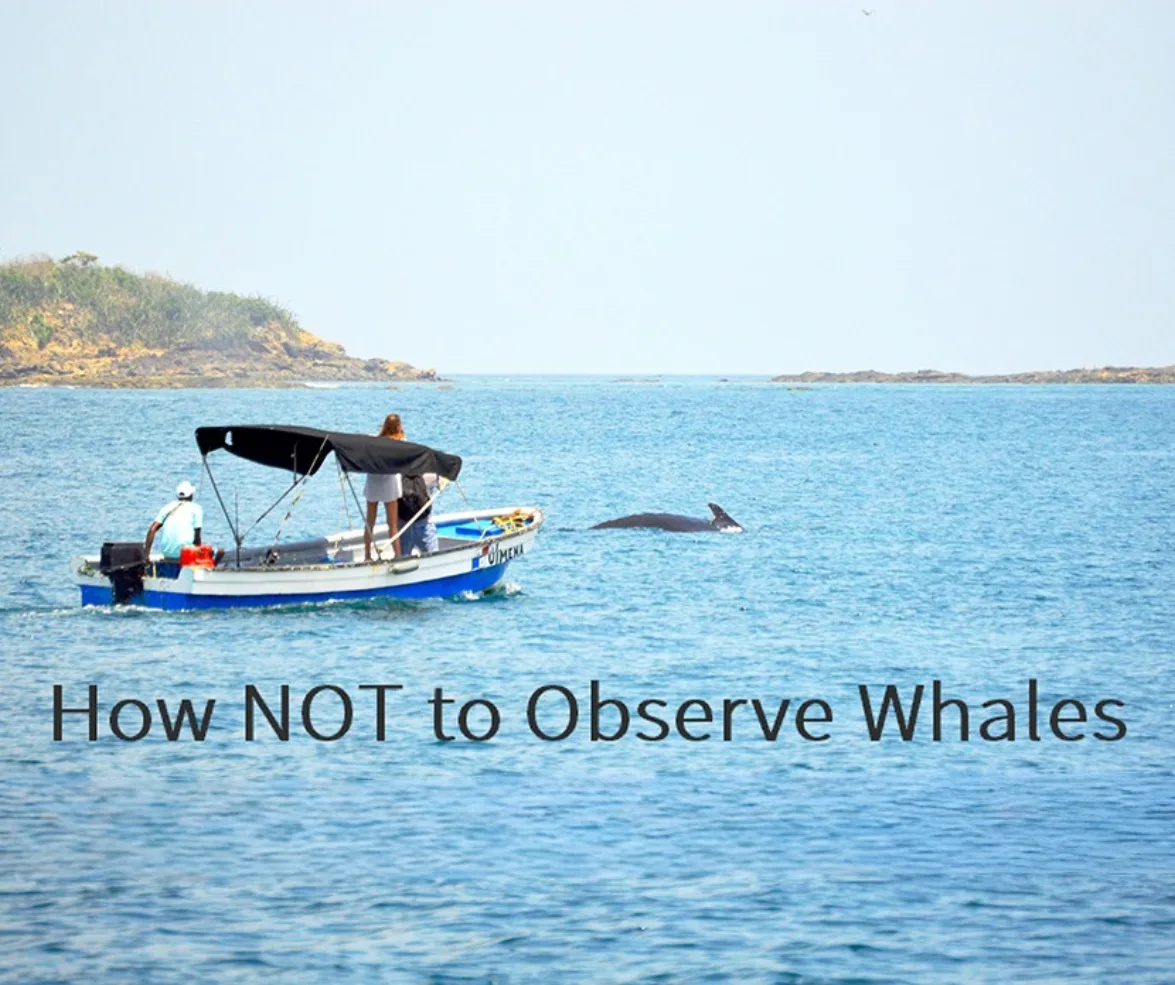
This was a photo taken on a trip to whale watch in Panama in the Pearl Islands. We were with a whale expert; they were just running over the top of the whales. NOT a good experience and most certainly NOT ethical.
We work with only socially responsible whale loving and respecting tour operations that are certified in Costa Rica. A responsible operator will:
-
- Keep legal distances
- Limit time with each pod
- Avoid cutting across whale paths
- Use certified naturalist guides
- Follow national park and maritime regulations
The goal is simple: let the whales behave like whales, not stressed celebrities being chased by paparazzi with outboard motors.
Costa Rica has strict wildlife protection laws, and the best companies proudly follow them — because long‑term conservation beats short‑term selfies every time.
Final Thoughts: Why You Should Plan Your Trip Around Whale Season
Whale watching in Costa Rica isn’t just an activity — it’s a full‑body goosebump experience. Few things compare to seeing a 40‑ton animal launch itself out of the ocean or a newborn calf surface beside its mother for its first breaths.
With one of the longest humpback seasons in the world, stunning coastal scenery, and a strong focus on conservation, Costa Rica is a dream destination for ocean lovers.
So if your travel dates are flexible, do yourself a favor: schedule your vacation when the whales are in town. They always put on a better show than any resort entertainment… and they never cancel.
Book your Whale Watching Excursion in Costa Rica before the whales say goodbye!